Bridging Generations Bond

Chandan Singh
| 21-05-2026
 · Lifestyle team
Across different countries and cultures, families often face a similar situation: grandparents and grandchildren growing up in very different worlds. One grew up with slower routines and simpler tools, while the other lives in a fast-changing, digital environment.
Even with these differences, we all share the same emotional need—feeling close, understood, and valued within our families. In this article, we explore how we can build stronger bonds through communication, shared experiences, and daily care that fits into modern life anywhere in the world.
Creating a Two-Way Communication Space
The foundation of closeness is communication. When we truly listen to each other, distance naturally becomes smaller.
Grandparents can take a gentle listening role, showing interest in what younger family members share. Instead of focusing on correction, we can focus on curiosity. Simple reactions like smiles, eye contact, and short follow-up questions help conversations feel alive.
For example, when a child shares a school experience or a sports moment, we can respond with warmth and curiosity: “That sounds exciting—how did you feel at that moment?” This kind of response encourages openness and trust.
At the same time, younger family members learn to express thoughts clearly and respectfully. When both sides participate equally, communication becomes a natural bridge instead of a barrier.
Sharing Life Journeys and Family Memories
One of the most meaningful ways to connect is through storytelling. Life experiences, memories, and personal journeys help younger generations understand the world beyond their own daily routine.
We can spend quiet moments together talking about earlier life experiences, changes over time, or meaningful family events. These stories do not need to be dramatic—simple daily memories often feel the most relatable.
For example, talking about how daily routines were different in earlier decades, or sharing light-hearted family moments from the past, can bring laughter and curiosity into the conversation. Through storytelling, we pass on identity, values, and emotional connection.
Sharing Everyday Cultural and Seasonal Moments
Across the world, many families celebrate seasonal events or cultural traditions. These moments give us a natural chance to connect through shared activities.
We can prepare simple homemade dishes, decorations, or small creative crafts together while talking about their meaning. The focus is not only on the activity itself but on the time spent together.
When we explain why certain traditions exist or how they are practiced in different places, younger family members gain a wider understanding of cultural diversity. These shared experiences create lasting memories that feel both meaningful and enjoyable.
Exploring Nature and Learning Together
Spending time outdoors helps us slow down and reconnect. Whether it is a city park, countryside path, or coastal area, nature offers endless opportunities for shared discovery.
We can observe plants, weather changes, and small natural details together. Grandparents often bring gentle explanations, turning a simple walk into a learning moment.
For example, noticing how seeds travel through wind or how different plants grow in unique environments can spark curiosity. These small discoveries encourage attention, patience, and appreciation for the natural world while strengthening emotional closeness.
Building Shared Interests and Activities
Shared hobbies help us form stronger emotional connections. When we do something together regularly, we create rhythm and familiarity in the relationship.
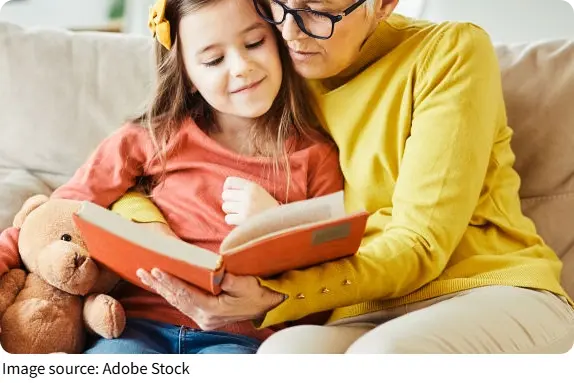
It could be drawing, simple board games, music practice, reading, or creative projects. The goal is not perfection but participation.
When we sit together and focus on a shared activity, conversation flows more naturally. We learn from each other’s thinking style, patience level, and creativity. Over time, these shared moments become meaningful memories that both sides value.
Supporting Growth with Balance and Understanding
Healthy relationships grow when we balance guidance with freedom. We can support younger family members by encouraging independent thinking instead of providing immediate answers.
When different opinions appear, we listen first, then respond calmly. This helps build confidence and mutual respect.
At the same time, giving personal space is important. As children grow, they form friendships and develop interests outside the family. Allowing them to explore builds independence and trust.
Even with freedom, gentle reminders about care and safety show continued support. This balance helps maintain both closeness and individuality.
Everyday Care, Encouragement, and Thoughtful Moments
Small daily actions often have the strongest emotional impact. A warm greeting, a shared meal, or a short conversation can bring comfort and stability.
When achievements happen, encouraging words help build confidence. When challenges appear, calm support helps restore motivation. These simple responses create a safe emotional environment.
Occasionally, small thoughtful surprises—like preparing a favorite homemade treat or planning a simple family gathering—can bring extra joy into everyday life. These moments remind us that care is expressed through attention, not size.

Lykkers, the connection between grandparents and grandchildren is not defined by age or time period. It is shaped by how we choose to communicate, share, and support each other in daily life.
When we listen with patience, share stories, enjoy activities together, and respect personal space, we create a relationship that grows stronger over time. In the end, what we build is more than family connection—it is a shared emotional world filled with understanding and memories. What is one small habit you would like to bring into your own family life to feel closer every day?