Gorgeous Design Features!

Ethan Sullivan
| 01-06-2026
 · Automobile team
Welcome back, Readers! Car design is more than just speed, horsepower, or technology. The details—the small styling choices—often decide whether a car looks ordinary or unforgettable. While performance cars and limited editions tend to experiment with bold ideas, many everyday vehicles still play it safe.
But imagine if more mainstream cars borrowed these creative design features. From aggressive bodywork to artistic detailing, these elements prove that automotive design can be both functional and visually striking. Let’s explore some of the most beautiful design features that deserve a much wider presence on modern cars.
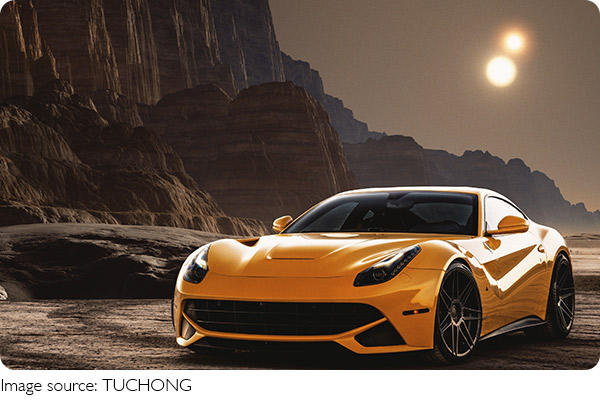
1. Patterned Grilles: Turning Function into Art
A grille is often treated as a purely functional airflow component, but patterned designs elevate it into a signature styling element. Instead of basic mesh or horizontal lines, geometric patterns and intricate detailing create a premium, artistic front face. Models like the Pagani Huayra show how far this idea can go, turning a simple intake into a design highlight. Even mainstream brands are now experimenting with more expressive grille textures, proving that functional parts can still be visually dramatic.
2. Double Bubble Roof: Sculpted Performance Form
The double bubble roof is both practical and visually striking. Designed to increase headroom in low sports cars without ruining aerodynamics, it features two subtle raised channels across the roofline. This creates a flowing, sculpted silhouette that looks purposeful even at a standstill. Cars like the Toyota Supra show how this design blends engineering necessity with strong visual identity.
3. Fender Flares: Wider Stance, Stronger Presence
Fender flares dramatically change a car’s proportions by extending the wheel arches outward. Originally inspired by motorsport and wide-body performance builds, they allow for larger wheels and a more aggressive stance. Even a simple car can look more planted and powerful with this addition. Despite their impact, they are still mostly reserved for performance or modified vehicles.
4. Ducktail Spoilers: Subtle Aerodynamic Beauty
Unlike oversized wings, ducktail spoilers integrate smoothly into a car’s natural body lines. They gently lift the rear profile while maintaining a clean, factory-like appearance. Popularized by classic Porsche and performance models, this design adds sportiness without overwhelming the car’s shape. It is a reminder that aerodynamic function can also be elegant.
5. Warp-Speed Tail Lights: Motion in Light Form
Modern LED technology has allowed designers to create tail lights that feel dynamic even when stationary. First seen on ultra-performance cars like the Aston Martin Vulcan, these designs simulate motion through layered light patterns. The result is a futuristic “speed effect” that enhances the emotional impact of braking and signaling. As LED systems improve, this feature could become more common in future road cars.
6. Window Louvers: Retro Character with Edge
Window louvers add texture and personality to a car’s rear profile, especially on fastback designs. Popular in classic Mustang models and iconic cars like the Lamborghini Miura, they create a layered, mechanical look over the rear glass. While not widely used today, they remain a strong stylistic statement in custom and retro-inspired builds.
Automotive design is evolving, but many of its most beautiful ideas still remain limited to concept cars and high-end models. Features like fender flares, artistic lighting, ducktail spoilers, and patterned grilles prove that small details can completely change how a car feels and looks. If these elements were adopted more widely, everyday roads would be filled with more character, creativity, and visual excitement.
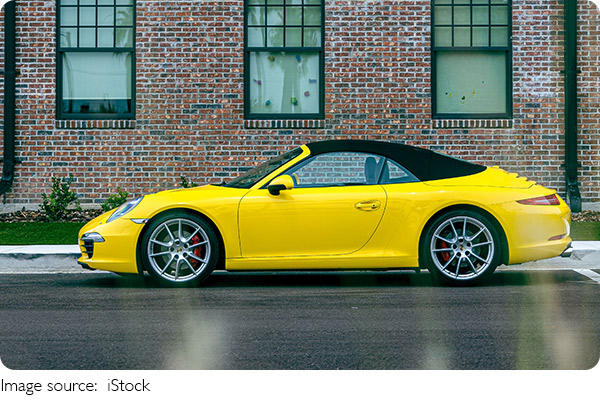
Which of these design features would you love to see on your next car? Sometimes, it’s not just the engine that defines a car’s personality—it’s the details that make you stop and look twice.