Minimalist Home Design

Declan Kennedy
| 27-05-2026
 · Lifestyle team
Minimalism is often misunderstood as a design style centered around empty rooms and plain interiors.
In reality, minimalist design is not about removing everything from a space; it is about making deliberate and purposeful choices.
The goal is to create an environment that feels organized, comfortable, and visually balanced while reducing unnecessary distractions. A well-designed minimalist home can improve functionality and create a greater sense of calm in everyday life.
Every Item Should Serve a Purpose
One of the key principles of minimalist design is intentionality. Every item within a space should have a purpose, whether practical, functional, or personally meaningful. This approach does not require a home to feel empty or impersonal; instead, it encourages thoughtful decisions about what truly adds value to the environment.
Furniture that serves multiple functions can help maximize space while reducing unnecessary clutter. Examples include dining tables with adjustable sizes, beds with built-in storage, and desks designed to support multiple uses. The objective is not simply owning fewer items but selecting pieces that contribute meaningful value and long-term functionality.
Create a Neutral Foundation and Use Texture for Depth
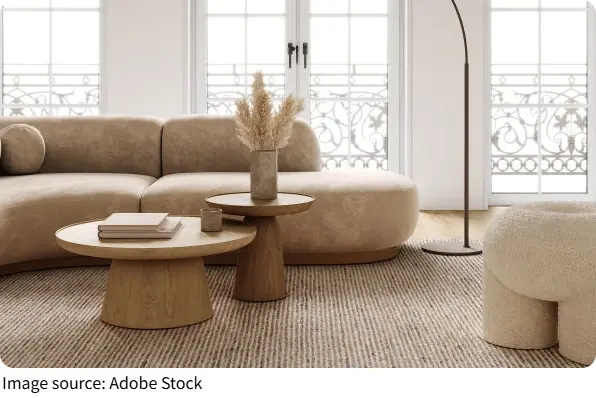
Minimalist interiors commonly rely on neutral color palettes, including whites, creams, soft grays, beiges, and muted shades. These colors create a calm visual foundation and allow light, form, and materials to become more noticeable within the space.
When strong colors are limited, texture becomes an important design element. Combining different materials such as matte and polished surfaces, wood and fabric, or smooth and textured finishes can create visual interest without overwhelming the room.
Accent colors should be introduced carefully and in moderation. A single piece of artwork, a decorative cushion, or a plant can add personality while maintaining a clean and balanced appearance.
Embrace Clean Lines and Intentional Space
Minimalist spaces often feature furniture with clean lines, smooth finishes, and simple shapes. These elements create visual consistency and support a sense of order within the home.
Equally important is the intentional use of empty space. Clear surfaces, open pathways, and uncluttered shelves help create a more comfortable and balanced environment. Negative space should not be viewed as wasted space; it serves as an essential design element that allows selected pieces to stand out.
Use Layered Lighting for Comfort and Balance
Lighting plays a major role in shaping the atmosphere of a minimalist interior. Maximizing natural light can make a room feel larger, brighter, and more welcoming. Light window coverings, unobstructed windows, and thoughtfully positioned reflective surfaces can help distribute daylight more effectively throughout the room.
Artificial lighting should also be selected carefully. Simple fixtures with clean designs often complement minimalist interiors well. Warm lighting temperatures generally create a softer and more inviting atmosphere, while balanced layers of ambient, task, and accent lighting add depth and comfort to the space.
Prioritize Quality Over Quantity
Minimalist design emphasizes carefully selected pieces rather than an abundance of decorative objects. Instead of filling a room with numerous accessories, focus on incorporating a few items with visual impact or personal significance. A well-chosen decorative object, artwork, or natural element can create a stronger impression than multiple unrelated items.
Thoughtfully curated spaces often feel more refined because every element contributes to the overall design.
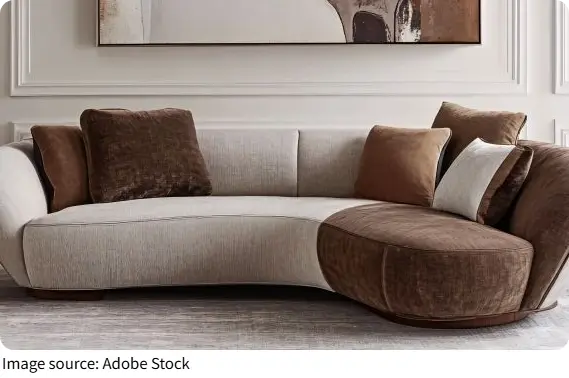
Minimalism is more than a visual style; it is an approach to creating spaces that support comfort, functionality, and everyday living. A successful minimalist home should not feel empty or restrictive — it should feel purposeful and welcoming. By focusing on intentional furniture choices, balanced materials, natural light, and meaningful design elements, it is possible to create a living space that feels calm, organized, and timeless.