Floor-to-Ceiling Style

Declan Kennedy
| 02-06-2026
 · Lifestyle team
Floor-to-ceiling windows have become a defining feature of modern minimalist interiors. By maximizing natural light and creating a seamless connection between indoor and outdoor spaces, they can dramatically enhance both the appearance and functionality of a living room.
When thoughtfully integrated into the design, these expansive windows create an environment that feels brighter, more spacious, and visually refined.
Why Floor-to-Ceiling Windows Matter
Floor-to-ceiling windows, often referred to as window walls, create a striking architectural feature by combining large operable and fixed glass panels. Their primary advantage is the ability to maximize natural daylight while strengthening the visual connection between the interior and the surrounding landscape.
In minimalist living rooms, these windows often serve as the focal point of the space. Rather than relying on excessive decorative elements, minimalist design emphasizes clean lines, openness, and simplicity, allowing natural light and outdoor views to become integral parts of the interior aesthetic.
Frame Style Matters
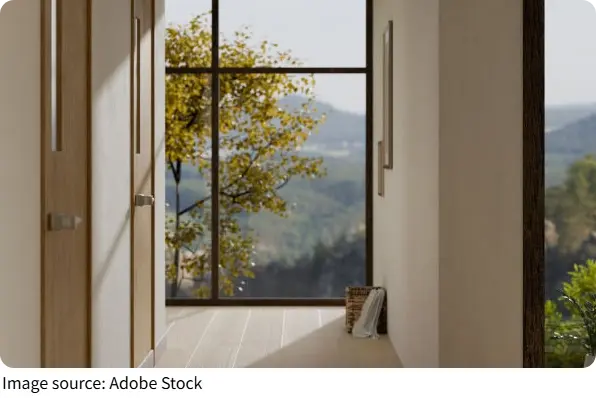
In a minimalist setting, window frames play a significant role in shaping the overall appearance of the room. Slim aluminum frames are a popular choice because they provide durability while maintaining a clean and understated look. Their narrow profiles allow the view to remain the primary focus.
Black-framed windows are also widely used in contemporary interiors. The contrast between dark frames and light-colored walls creates visual definition and highlights the scale of the glass panels, contributing to a sophisticated and modern appearance.
In addition to aesthetics, the choice of glazing is equally important. Double-glazed, frosted, and acoustic laminated glass can improve thermal performance, privacy, and sound insulation, enhancing overall comfort within the home.
Make the Most of Natural Light
One of the greatest benefits of floor-to-ceiling windows is the abundance of natural light they introduce into a space. To maximize this advantage, interior furnishings should complement rather than compete with the brightness of the room.
Light neutral color palettes, natural materials, and simple forms help maintain a calm and cohesive atmosphere. Shades of white, beige, and soft gray can reflect daylight effectively, contributing to a brighter and more inviting environment.
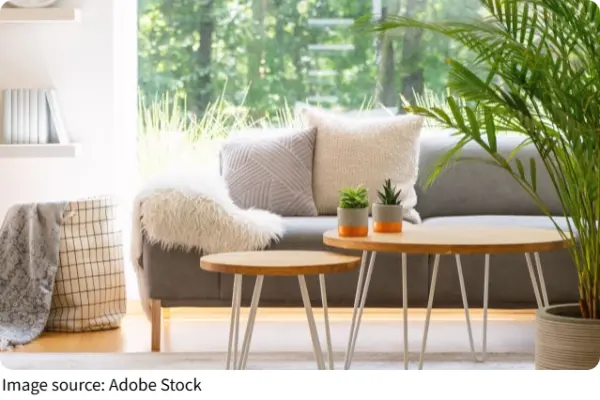
A low-profile sectional sofa can provide comfort without overwhelming the room, while a wooden coffee table introduces warmth and natural texture. Together, these elements support a balanced and harmonious minimalist design.
Create an Open Furniture Layout
Arranging furniture around expansive windows requires careful planning to preserve both the view and the flow of natural light. Large pieces, particularly sofas, should be positioned to avoid obstructing the windows whenever possible.
Depending on the room's layout, placing the sofa perpendicular to the windows or floating it within the space can help maintain openness while still creating a comfortable seating area.
Additional seating, such as armchairs positioned around a central coffee table, can encourage conversation and establish a functional gathering space without compromising the room's visual appeal.
Keep Décor Intentional
Minimalist interiors benefit from a restrained approach to decoration. With floor-to-ceiling windows already providing a strong visual statement, excessive decorative accessories can make the space feel cluttered.
Instead, select a limited number of carefully chosen design elements. A large artwork displayed on a wall adjacent to the windows can provide balance and visual interest. Similarly, a few well-placed plants can introduce color, texture, and a connection to nature without overwhelming the room.
The goal is to enhance the space while allowing the architecture and natural views to remain the primary focus.
Prioritize Privacy and Energy Efficiency
While floor-to-ceiling windows offer numerous aesthetic advantages, practical considerations are equally important. Privacy may be a concern in homes located near streets or neighboring properties. Solutions such as frosted glass, roller shades, sheer curtains, or layered window treatments can provide flexibility while maintaining a refined appearance.
Energy performance should also be a priority. Large glass surfaces can contribute to heat gain in warmer months and heat loss during colder periods if not properly specified. High-performance double- or triple-glazed glass can improve insulation, increase comfort, and help reduce energy consumption throughout the year.
Floor-to-ceiling windows are a powerful design feature that can elevate a minimalist living room by enhancing natural light, expanding visual space, and creating a stronger connection to the outdoors. By selecting appropriate frame styles, maintaining an open furniture arrangement, limiting decorative clutter, and addressing privacy and energy efficiency, homeowners can create a living environment that is both elegant and highly functional. When thoughtfully designed, a living room centered around expansive windows offers a timeless balance of comfort, simplicity, and architectural beauty.