Eat Local, Stay Safe

Ravish Kumar
| 05-06-2026
 · Travel team
Street food has a reputation it doesn't fully deserve.
The worry about getting sick stops a lot of travelers from experiencing some of the most authentic, delicious, and culturally revealing meals a destination has to offer.
The reality, according to traveler and food writer Chris Kretzer who has eaten his way through 35 countries, is that street food is a very safe option when you follow simple, consistent rules. The times he did get sick, it wasn't from a busy street stall. It was from sauces at a recommended restaurant that turned out to use contaminated water.
The first rule is deceptively simple: eat where locals eat. If a food stall is packed with people from the neighborhood, especially regulars, it's a strong signal that the food is good and safe. Vendors who rely on repeat business from local customers cannot afford to make people sick. A place that keeps filling up has earned that crowd through consistency and quality, not luck.
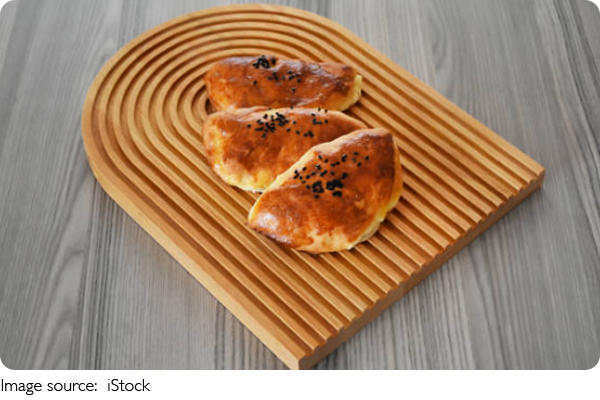
The Line Is a Good Sign, Not a Bad One
Lines mean something. People around the world don't wait for mediocre food. A long queue at a street stall is proof that the establishment produces something consistently worth the wait. Chris once joined a line before he even knew what was being served. He sent his wife ahead to check while he held their spot. The food was, as expected, exceptional. Trust the line.
The other major safety factor is temperature. Hot food is safe food. The high heat of the cooking process kills most food-borne bacteria and pathogens. What you want to see is food being cooked fresh, right in front of you, served sizzling. Avoid anything sitting out at room temperature or under a heat lamp.
Food that's been sitting deteriorates quickly, and the longer it sits, the more bacteria has had time to grow. Eating at local mealtimes, rather than off-peak hours, helps with this because restaurants cook and turn over food constantly when they're busy.
The Fresh Fruit Rule and the Ice Question
Fruit is one of the trickier categories. The general guideline is simple: if you can peel it, you can eat it safely. Fruits with intact skins that you remove yourself, like bananas, oranges, and mangoes, are fine. Raw vegetables, however, are riskier because they're washed with tap water in many countries where the water itself is the problem. On a short trip, skipping raw vegetables altogether is worth considering, even if it feels limiting.
Ice is an often-overlooked risk. In some cities, like Bangkok, ice is made from purified water and delivered commercially to vendors. Outside of major urban centers, the standards can differ significantly. Knowing where the ice comes from matters. When uncertain, ask for drinks without it.
Sauces deserve more attention than most travelers give them. Those little bowls of condiments sitting on the table may have been made with tap water, or left sitting at room temperature for hours. This is how Chris picked up his one memorable stomach illness, and he learned from it. If you're not certain about a sauce's origin, skipping it is an easy call that protects the rest of your trip.
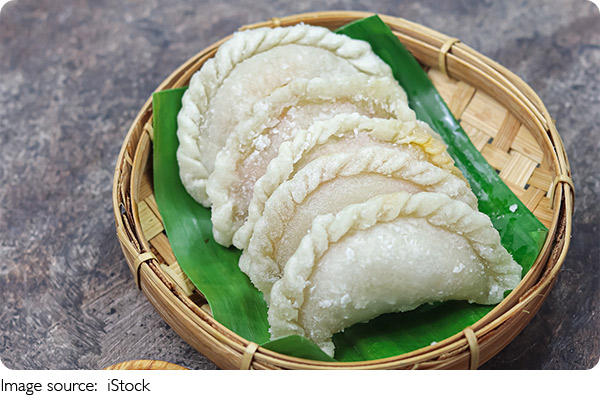
The 36-Hour Rule Before Traveling
One tip that gets skipped in almost every travel guide: stop eating street food at least 36 hours before a flight or a long journey. Travel is physically taxing on its own. Adding any kind of stomach upset on top of immigration lines, airport terminals, and long flights turns a manageable situation into something genuinely awful. Playing it safe in the final stretch of a trip costs almost nothing and protects the entire journey home.
Before any international trip, it's also worth visiting a travel medicine doctor. They can advise on vaccines relevant to the specific destination, discuss food and water safety guidelines, and prescribe an antibiotic to carry as backup. Having that prescription in your bag doesn't mean you'll need it. It means if something does go sideways, you're not scrambling for a pharmacy in a city where you don't speak the language.
Street food eaten smartly is one of the great pleasures of travel. The rules aren't about restriction. They're about making sure you can keep eating your way through a destination without losing a single day. What's the most memorable street food you've had on a trip, and did you follow any of these rules before eating it?