Night Driving Secrets

Chris Isidore
| 10-06-2026
 · Automobile team
Driving at night can feel peaceful, with quieter roads and fewer distractions. However, darkness also brings unique challenges.
Reduced visibility makes it harder to spot road signs, pedestrians, lane markings, and changes in road conditions. What seems easy during the day may require much more attention after sunset.
Before your next evening drive, let's explore several practical habits that can help make every journey smoother, more comfortable, and easier to manage.
Begin With Proper Rest and Vehicle Preparation
A successful trip starts before we even leave the driveway. Getting enough rest helps maintain focus, improves reaction time, and supports better decision-making behind the wheel.
Vehicle preparation is equally important. Take a few moments to inspect the tires, headlights, taillights, windshield, and fluid levels. Clean windows and mirrors can significantly improve visibility, especially when facing bright headlights from approaching traffic.
These simple checks can help us enjoy a more relaxed driving experience.
Match Your Speed to Your Visibility
Nighttime visibility is naturally more limited than daytime visibility. Headlights illuminate only a portion of the road ahead, making it more difficult to identify potential hazards early.
For this reason, speed should always reflect the distance we can clearly see. Driving a little slower provides additional time to notice traffic signs, lane changes, crossings, and other vehicles.
A steady pace often creates a more comfortable and controlled journey.
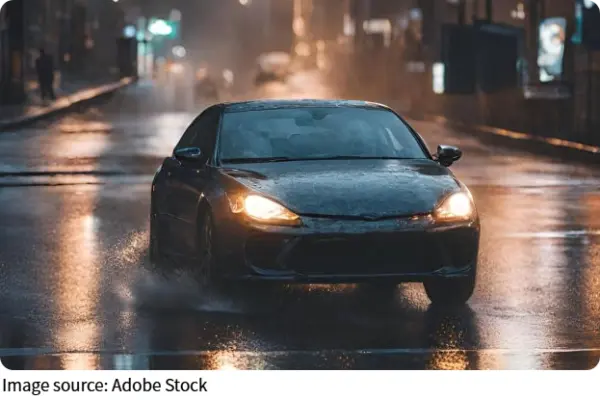
Use Lighting Correctly
Vehicle lights are among the most valuable tools for nighttime travel. Proper lighting allows us to see the road clearly while helping other drivers recognize our presence.
High beams can be useful on dark roads, but they should be switched to low beams when approaching another vehicle. Excessively bright light can temporarily reduce visibility for others.
When approaching intersections, curves, hills, or crossings, changing between high and low beams can help alert nearby road users and improve awareness.
Thoughtful use of lighting benefits everyone on the road.
Choose Passing Opportunities Carefully
Passing another vehicle requires accurate judgment of distance and speed. At night, these estimates become more difficult because visual references are reduced.
Before moving around another vehicle, carefully assess the road ahead and observe surrounding traffic conditions. Make sure there is sufficient space and visibility to complete the maneuver comfortably.
If conditions seem uncertain, waiting for a clearer opportunity is often the better choice.
Learn What Headlight Reflections Can Tell You
The way headlights reflect off the road surface can reveal useful information.
- A gray reflection usually indicates a normal road surface and generally suggests stable driving conditions.
- A bright white reflection may indicate standing water. Since depth can be difficult to judge after dark, slowing down and approaching carefully is a good idea.
- A dark area that absorbs light may signal uneven pavement, a sharp curve, or another change in the roadway. Extra caution can help prevent surprises.
Recognize Common Nighttime Visual Illusions
Darkness can sometimes affect our perception.
One common issue is glare from approaching headlights. Looking directly at bright lights may temporarily reduce visibility. Instead, focus slightly toward the right side of your lane while continuing to monitor traffic.
Distance can also be difficult to judge. Some vehicles may appear farther away than they actually are because of the position or brightness of their lights. Leaving additional space can help compensate for this effect.
Understanding these visual challenges makes driving more comfortable and predictable.
Pay Extra Attention to Pedestrians
Pedestrians can be difficult to notice in low-light environments, particularly on roads with limited lighting or during wet conditions.
Reducing speed near intersections, residential streets, parking entrances, and crossings provides more time to recognize movement and react appropriately.
Maintaining awareness of our surroundings helps create a smoother experience for everyone sharing the road.
Take Curves and Bright Areas More Carefully
When driving through a curve, the headlights may not immediately illuminate the direction of travel. This can temporarily limit visibility around the bend.
Reducing speed before entering a curve allows more time to identify changes in the roadway.
Bright building lights can also attract attention and create visual distractions. If a stop is necessary, choosing a well-lit location helps other drivers notice the vehicle more easily.
Small Habits Make a Big Difference
Friends, safe and comfortable nighttime driving is often the result of small everyday habits. Getting enough rest, preparing the vehicle, adjusting speed, using lights correctly, and staying attentive can all contribute to a better experience on the road.
Which of these nighttime driving tips do you find most useful? Share your thoughts with us, Lykkers. Every journey becomes more enjoyable when we travel with confidence, awareness, and care.
Night Driving Tips Every Driver Needs to Know to Stay Safe
Video by Smart Drive Test