More Than Just Shine!

Liam Reilly
| 12-06-2026
 · Automobile team
Hey Readers! Ever wondered why some cars look like they just rolled out of a showroom even after years on the road—while others lose their shine in months?
The secret often isn’t endless washing or expensive paint jobs, but something far more advanced: ceramic coatings.
Let’s break down what’s really going on behind that glossy, glass-like finish and why it’s become such a big deal in modern car care.
The Science Behind the Shine: What Ceramic Coatings Really Are
At their core, ceramic coatings are liquid polymer solutions that chemically bond with a vehicle’s factory paint. Unlike wax, which simply sits on the surface and fades quickly, these coatings create a semi-permanent layer that becomes part of the clear coat itself.
A key reason for their strength lies in their silica-based structure. High-quality formulas are rich in silicon dioxide compounds, often sourced from natural quartz materials. Once cured, this forms a tightly packed, glass-like shield that is significantly harder and more resilient than traditional wax layers. This is what gives the surface its “hard candy shell” effect—smooth, sealed, and resistant to everyday environmental stress.
Not Just Protection: Why Cars Look Better After Coating
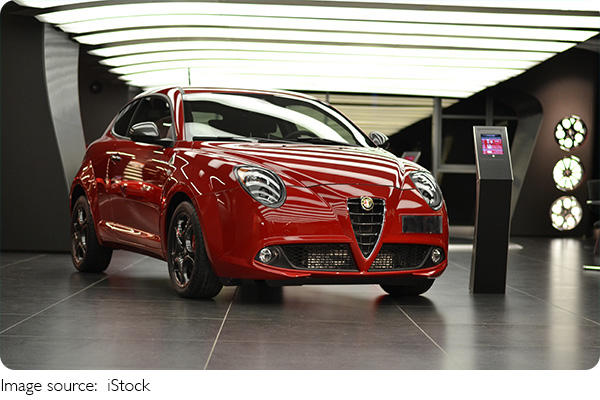
Ceramic coatings don’t just defend paint—they transform how it looks under light. The coating levels out microscopic imperfections in the clear coat, which allows light to reflect more uniformly. The result is a deeper, wetter-looking gloss that makes paint colors appear richer and more dimensional.
On darker vehicles, this effect can be dramatic, almost like turning the paint into polished obsidian. On lighter colors, it enhances clarity and brightness, giving the car a freshly detailed appearance every time it’s cleaned. Another overlooked benefit is the hydrophobic effect.
Water, mud, and grime struggle to stick to the surface, forming beads that slide off easily. This doesn’t make the car self-cleaning, but it drastically reduces how often heavy scrubbing is needed—and helps maintain that “just washed” look for longer periods.
More Than Cars: Where Ceramic Technology Shows Up Elsewhere
What surprises many drivers is that ceramic coating technology extends far beyond automotive detailing. In aerospace engineering, similar heat-resistant ceramic layers are applied to turbine components and spacecraft parts to handle extreme temperatures and friction. These coatings help protect metal surfaces that would otherwise degrade under intense stress.
In everyday life, you’ll also find ceramic-based coatings on cookware. Non-stick pans often rely on similar principles—creating a slick, heat-stable surface that resists food adhesion and makes cleaning easier. Industrial machinery, marine equipment, and even electronic devices also benefit from variations of this technology due to its durability and resistance to corrosion.
This wide range of uses shows that ceramic coatings are not just a cosmetic upgrade for cars—they’re part of a broader class of advanced protective materials used in high-performance environments.
What Many Car Owners Don’t Realize Before Applying It
While ceramic coatings are impressive, they are not a magical shield against all damage. They do not prevent rock chips, deep scratches, or dents from impact. What they excel at is chemical and environmental protection—things like UV exposure, bird droppings, acid rain, and road grime.
Another important detail is preparation. The coating only performs as well as the surface underneath it. If the paint isn’t properly corrected and cleaned before application, imperfections can actually become more visible under the glossy finish. In other words, ceramic coating is less about “fixing” a car and more about preserving a well-prepared surface in its best possible condition.
Ceramic coatings sit at the intersection of science and aesthetics. They offer long-term protection, reduce maintenance effort, and elevate the visual appeal of a vehicle in a way traditional waxing simply can’t match. But the real value depends on expectations.
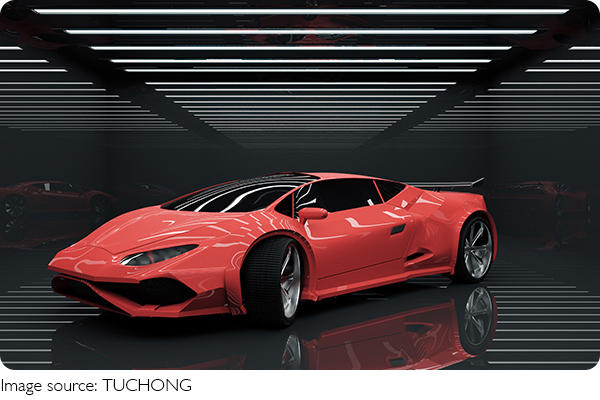
If you’re looking for effortless shine and reduced upkeep, it can be a smart investment. If you expect it to make your car invincible, it’s important to understand its limits.
So, Readers, what about you—do you think ceramic coatings are more about practical protection or visual luxury? If you’ve ever used one, your experience might help others decide whether it’s worth the hype.