Black Car Reality Check!

Pardeep Singh
| 12-06-2026
 · Automobile team
Good Day, Lykkers! Black cars have a reputation that blends elegance with authority.
They often look powerful on the road, exuding a premium feel that makes them a favorite for luxury models, executive vehicles, and special editions.
However, behind that striking appearance lies a set of real-world challenges that many owners only fully understand after daily use.
If you’re considering owning one, especially through a Japanese used car auction or dealership, it helps to understand both the beauty and the practical trade-offs.
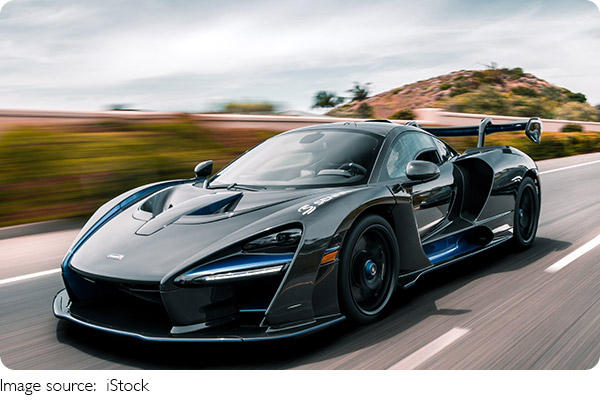
Why Black Cars Feel So Premium in the First Place
There’s a reason black remains one of the most desirable automotive colors. It’s strongly associated with sophistication, confidence, and status. Luxury brands frequently showcase black finishes in advertising because the color enhances the perception of sharp body lines and refined design.
From high-end limousines to limited “black edition” trims, manufacturers intentionally use this color to create exclusivity. In many markets, especially Japan and Europe, black vehicles are consistently among the most common choices in premium segments. But this strong visual appeal comes with a hidden cost: maintenance sensitivity.
Keeping a Black Car Clean Is Surprisingly Demanding
One of the biggest frustrations for black car owners is how easily imperfections show up. Unlike lighter colors that can mask dust and light dirt, black paint reveals everything. Fine dust, pollen, fingerprints, and even water spots become highly visible under sunlight or street lighting.
Even after a wash, a black car can look imperfect if it’s not dried properly. Tiny water streaks or residue stand out sharply against the dark surface, often making the car look “dirty again” within hours. This is why detailing professionals often say black paint is the most rewarding—but also the most unforgiving—to maintain.
Swirl Marks and Micro-Scratches Stand Out More
Black paint doesn’t necessarily scratch more easily than other colors, but it exposes flaws far more clearly. Swirl marks—those circular micro-scratches caused by improper washing or drying—are especially visible under direct light. They create a hazy, spiderweb-like effect on the surface that disrupts the deep gloss black cars are known for.
This is why owners of black vehicles often rely on microfiber cloths, touchless washing methods, and paint protection solutions like ceramic coatings or paint correction services to maintain a flawless finish. In short, it’s not that black paint is weaker—it’s just less forgiving.
Heat Absorption Makes the Interior Much Hotter
Another practical downside is temperature. Dark surfaces absorb more sunlight, which means black cars tend to heat up faster when parked outdoors. On hot days, the cabin can become significantly warmer compared to lighter-colored vehicles. This effect is especially noticeable in tropical and summer climates, where stepping into a parked black car can feel like opening a sealed container of trapped heat.
Drivers often counter this by using sunshades, tinted windows, or covered parking whenever possible. Without those precautions, air conditioning has to work harder to cool the interior.
Fading and Long-Term Paint Wear
Over time, constant exposure to sunlight can affect any vehicle paint, but black finishes often show fading more visibly. The deep gloss can gradually shift toward a duller tone if the car is regularly parked outdoors without protection.
UV rays break down the paint’s surface layer, making the finish look less vibrant. Regular waxing, sealants, or modern ceramic coatings can slow this process, but consistent care is essential if you want to preserve that rich, deep-black appearance.
Visibility and Road Safety Considerations
Beyond aesthetics and maintenance, black cars also face a subtle safety drawback: visibility. In low-light environments—such as nighttime driving, heavy rain, or fog—black vehicles can blend into the road surface more easily than lighter-colored cars.
This reduced contrast can make them harder for other drivers to notice quickly. Some traffic safety research has suggested that darker vehicles may have a higher likelihood of being involved in collisions compared to white or high-visibility colors, particularly in poor lighting conditions.
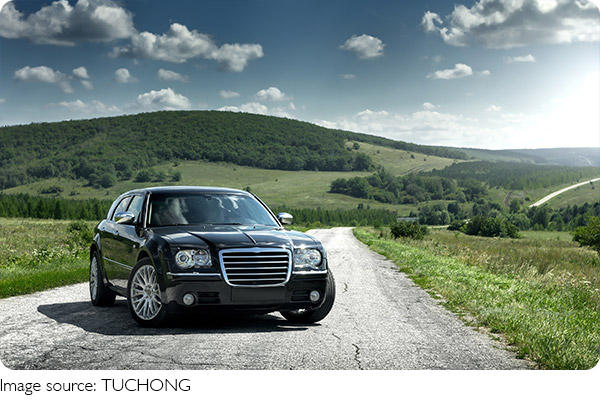
Owning a black car is often a balance between emotion and practicality. On one hand, it delivers unmatched visual appeal, luxury presence, and timeless style. On the other, it demands more attention, more care, and more patience to keep it looking its best.
So, before choosing one, it’s worth asking yourself: are you comfortable with a car that looks incredible when maintained—but shows every detail when neglected? For many enthusiasts, that challenge is part of the charm.