Cars Over Homes: Youth Shift

Amina Hassan
| 10-06-2026
 · Automobile team
Hello, Lykkers! You've likely noticed the buzz: young professionals in China are increasingly putting their money into cars instead of apartments.
It's not just a casual preference. It reflects a deep shift in priorities shaped by sky-high real estate prices, stagnant wage growth, and a new definition of success.
Property has long been the cornerstone of financial security in China. Parents pool savings for a down payment, and owning a home signals stability and adulthood. But for today's twenty- and thirty-somethings, that dream feels increasingly out of reach. Average home prices in tier-one cities like Beijing and Shanghai have climbed to over ten times annual household income.
Meanwhile, the cost of a decent new car, even a mid-range model, can be under ten thousand dollars after government subsidies for electric vehicles. The math is simple: a car is an immediate, tangible asset that provides freedom and mobility, while a home is a crushing long-term debt that locks you into one location and one job.
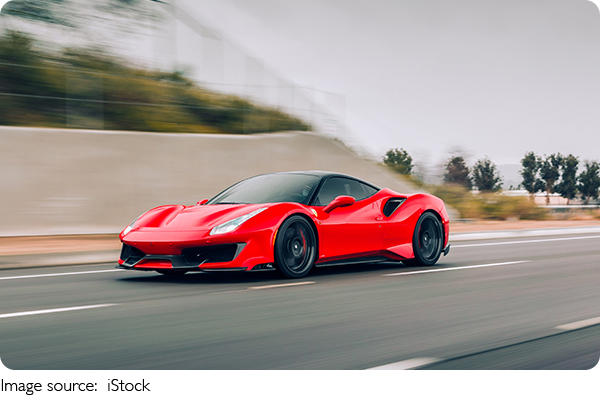
Freedom Over Foundations
The appeal goes beyond price tags. Cars offer flexibility that a fixed property cannot match. Young people today change jobs more often, move between cities for opportunities, and value experiences over possessions.
A car allows spontaneous road trips, daily commuting comfort, and a personal space away from crowded family apartments. Social media amplifies this lifestyle: influencers showcase their customized vehicles as extensions of identity, not just transportation. Car clubs and weekend drives have become a new form of social currency.
The Changing Economics of Ownership
Another factor is the shift in economic expectations. Real estate no longer guarantees the double-digit annual appreciation it once did. Government cooling measures and a slowing economy have made property a riskier bet. Cars, especially electric models from domestic brands like BYD, come with low running costs and generous warranties.
Insurance is affordable, and charging is cheaper than gasoline. Many young buyers see a car as a rational, liquid asset that can be sold or traded in without the massive transaction costs of a home.
Cultural and Emotional Drivers
There is also a subtle rebellion against parental expectations. Buying a car is a personal decision that does not require family approval or a down payment. It signals independence without the burden of a thirty-year mortgage. For many, a car represents a small but real victory in an economy where buying a home feels impossible. Brand choices become statements: a smart EV says you are forward-thinking, while a rugged SUV says you are adventurous.
Practical Considerations and Trade-offs
Of course, this choice comes with trade-offs. Car ownership in dense cities means dealing with traffic jams, parking fees, and limited space. But young people are adapting. Ride-sharing and short-term rentals are common, and many use cars for weekend escapes rather than daily commutes.
Parking costs in city centers can be steep, around three to five dollars per hour, but overall monthly car expenses can be kept under two hundred dollars if you charge at home and avoid toll roads.

So, Lykkers, what do you think? Are cars truly a smarter first purchase in today's world, or is the dream of a home still worth the sacrifice? The data suggests a clear trend, but the decision ultimately comes down to your own goals and circumstances. Maybe the real takeaway is that for a generation facing unprecedented costs, even a small four-wheeled space of freedom is a precious thing.