Luxury Car Stigma

Declan Kennedy
| 10-06-2026
 · Automobile team
Hello, Lykkers! Have you ever noticed the way people glance at a shiny sports car or a sleek sedan with a luxury emblem?
It often comes with a story already written in their minds. Whether it is envy, admiration, or disdain, driving a high-end automobile seems to invite instant labels.
Researchers have looked into this phenomenon, and the findings reveal a mix of psychology and real-world consequences.
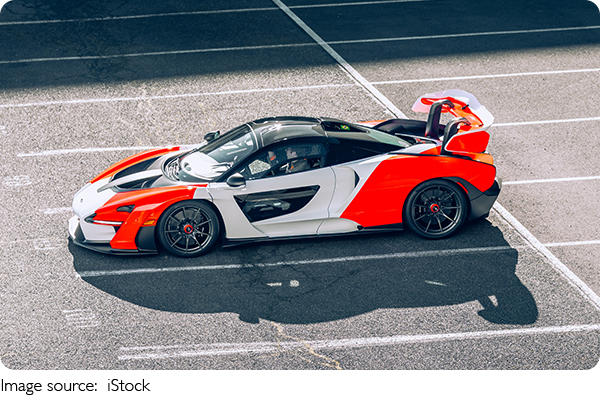
The Halo Effect on Wheels
Psychologists often point to the halo effect, a cognitive bias where one positive trait (owning an expensive car) influences overall perception of a person. In controlled studies, participants rated drivers of luxury vehicles as more competent and successful compared to those in economy cars.
However, this same glow can backfire. Some people assume the driver is arrogant or entitled, especially if the car is flashy. The context matters: a business executive in a modest sedan may be seen as humble, while the same person behind a luxury coupe might be judged as showy.
Behind the Wheel: Real Experiences
Interviews with luxury car owners reveal a split. Many report being treated with extra courtesy at valet stands or during traffic interactions, but also recall moments of resentment. For instance, a driver of a high-end German brand shared that other motorists sometimes cut him off on purpose, as if to challenge his perceived status. In parking lots, doors seem to get dinged more often.
Such experiences align with research on status signaling: the car acts as a symbol, and people react based on their own feelings about wealth and fairness.
Confirmation Bias and Social Media
Social media amplifies the labeling. A photo of a luxury car in a driveway can spark comments about greed or inherited money, even when the owner worked hard for it. This ties into confirmation bias: viewers filter the image through preexisting beliefs about rich people. Interestingly, the same car in a business context (say, a company car) often escapes negative judgment.
The label sticks tighter when the car appears in personal settings, suggesting the issue is not the vehicle itself but the perceived intention behind its ownership.
Regional and Cultural Variations
Attitudes vary by location. In cities with high income inequality, luxury cars attract more scrutiny. In affluent suburbs, they blend in. A study comparing reactions in big cities versus a small town found that flashy cars in the latter were often seen as out of place and even tacky.
Culture plays a role too: in some societies, visible wealth is celebrated; in others, it is considered poor form. The same Aston Martin might earn a nod in London but a sneer in a more egalitarian community.
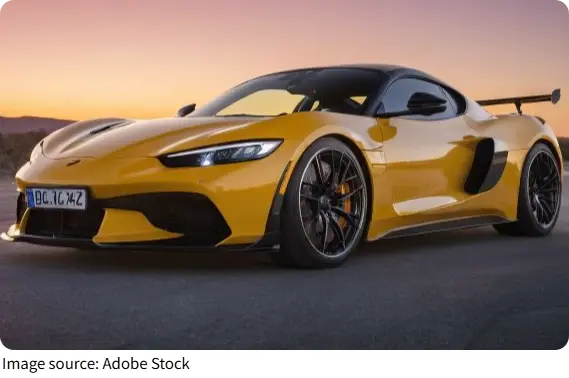
Practical Implications for Owners
For those behind the wheel, awareness can help. If you drive a luxury car, simple actions like waving pedestrians to go first or parking considerately can counteract negative assumptions. Some owners choose to drive their older, less flashy cars for everyday errands to avoid unwanted attention.
The key is recognizing that the label is often about the observer's insecurities, not the driver's character. In professional settings, a luxury car might harm a job interview if the interviewer perceives it as a lack of need for the salary, so some experts advise toning it down.
The answer is yes: luxury car drivers are more likely to be stereotyped, but the nature of that stereotype depends on context, observer bias, and cultural norms. Next time you see a gleaming hood, maybe pause before assigning a story to the person inside. Labels say more about us than about the driver. Keep that in mind, and drive on.