Dream Car or Debt Trap?

Naveen Kumar
| 10-06-2026
 · Automobile team
Hello, Lykkers! The image of a sleek, powerful car parked in a driveway often symbolizes success and freedom.
For many young people, a dream sports car represents a milestone. But the path to ownership frequently involves significant financial pressure.
The question is not whether the desire is valid, but whether the burden is sensible.
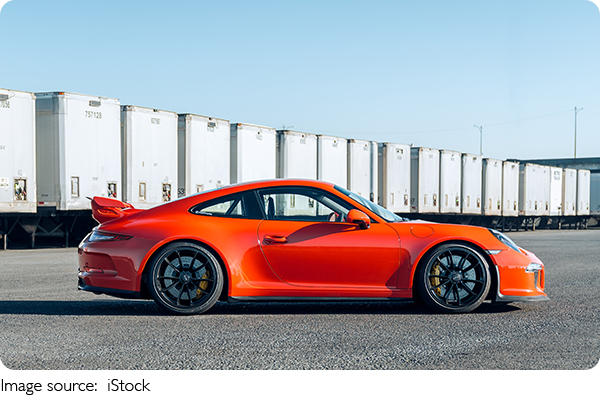
The Allure of the Machine
Sports cars offer more than transportation. They embody engineering excellence, speed, and status. Marketing campaigns and social media reinforce the idea that owning one signals achievement. For a young professional, the appeal is strong: a tangible reward for hard work. Yet this desire can clash with financial reality. A typical entry-level sports car may cost upwards of $60,000, while insurance, maintenance, and fuel add thousands annually. Without a high salary, such expenses can quickly overshadow other goals.
Calculating the True Cost
Financial advisors often recommend that car payments should not exceed 10 to 15 percent of monthly take-home pay. For a young earner making $50,000 per year, that limits monthly car expenses to about $500 to $625. A $60,000 loan over five years at 6 percent interest results in a monthly payment near $1,160, far exceeding that guideline. Additional costs include higher insurance premiums (often 50 percent more than a standard sedan), premium fuel, and specialized tires. A single unexpected repair can strain a tight budget. The pressure to maintain the car's condition also adds emotional weight.
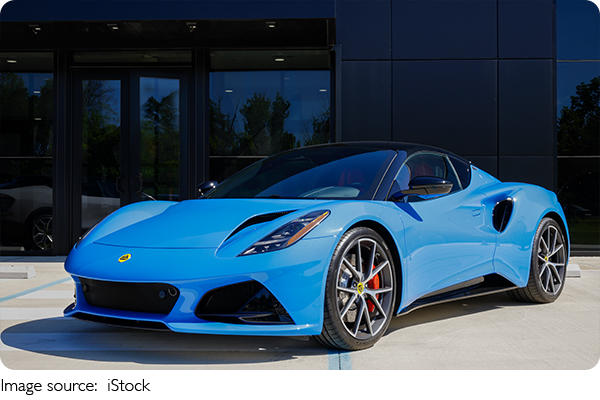
Opportunity Cost and Long-Term Impact
Every dollar spent on a car is a dollar not saved or invested. Consider that $1,160 per month invested conservatively over ten years could grow to over $180,000, assuming a 7 percent return. That sum could fund a home down payment, retirement contributions, or a business venture. Young people face a trade-off: immediate gratification versus future flexibility. Debt incurred for a depreciating asset can delay other life milestones, such as buying property or starting a family.
When the Dream Makes Sense
Not all scenarios are negative. If a young person has a stable, high income (e.g., $100,000 or more), minimal other debt, and an emergency fund, a sports car may be affordable. Also, some enthusiasts buy used models, which lose value more slowly. For example, a three-year-old certified pre-owned Porsche Boxster can cost $40,000, with lower depreciation. Additionally, passion for cars can lead to community engagement and skill development, such as learning mechanical maintenance. The key is ensuring the car fits into a broader financial plan without sacrificing essentials.
Practical Steps Before Purchasing
Before committing, run a full budget simulation. Track all current expenses, then add the estimated car payment, insurance, fuel, and maintenance. Leave room for savings (at least 15 percent of income). Consider a test drive of a less expensive model to see if the experience satisfies. Many find that a well-equipped hot hatchback offers similar driving thrills at half the cost. Also, explore financing pre-approval to lock in rates and avoid dealer markup. If the numbers cause stress, delaying the purchase by a year or two to save a larger down payment can reduce pressure.
Finding Balance
The choice ultimately depends on personal priorities and discipline. A dream car can bring joy and motivation, but it should not come at the cost of mental well-being or long-term security. Young people should ask themselves: does the pressure energize or drain? If it pushes you to work smarter and save, it may be a positive challenge. If it leads to sleepless nights, it might be a trap. The wisest path often involves compromise: choosing a pre-owned model, delaying gratification, or setting a strict budget that leaves room for life's other adventures.
Think carefully about what you truly value. A car is a tool for experiences, not the experience itself. If you can afford the dream without sacrificing your future, go ahead. If not, there is no shame in waiting. The best journey is driven by choice, not pressure.