Safe Riding in City Traffic

James Carter
| 12-06-2026
 · Automobile team
City traffic can be chaotic, especially for motorcyclists. With cars, cyclists, and pedestrians all vying for space on the road, it's easy to feel overwhelmed.
However, with the right strategies, you can ride confidently and safely, even in the most crowded urban environments.
Whether you're commuting to work or just cruising around the city, these tips will help you navigate traffic like a pro.
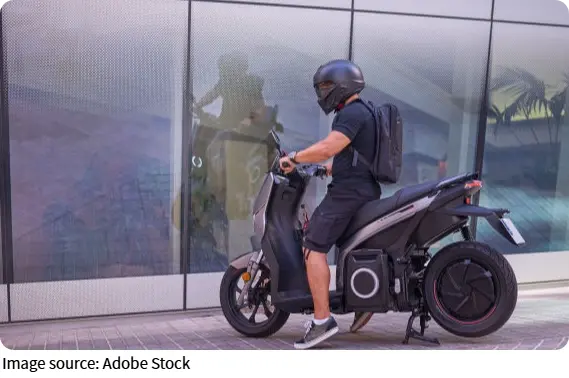
Wear the Right Gear
Safety starts with what you wear. Riding in the city means dealing with everything from sudden stops to unpredictable weather, so your gear is crucial for staying protected.
Helmet: Always wear a DOT-approved helmet. It's your first line of defense in case of an accident. A full-face helmet offers the best protection, covering your face and chin, while a modular helmet can be more comfortable for commuting.
Protective Jacket and Pants: Kevlar or leather jackets and pants provide essential protection against road rash. Look for gear with protective padding in the elbows, shoulders, and knees to minimize injury during a fall.
Gloves and Boots: Riding gloves protect your hands, while boots with ankle support safeguard your feet and provide better grip on the bike. Avoid sneakers, as they offer minimal protection.
For example, consider a typical city ride where a sudden stop may be required to avoid a car cutting in front of you. If you're wearing the proper gear, you'll be better equipped to handle the unexpected.
Stay Visible
One of the most critical aspects of city riding is being seen by other drivers. In heavy traffic, it's easy to blend into the background. To avoid accidents, you need to make yourself as visible as possible.
Bright Colors: Wear brightly colored or reflective gear. A neon jacket or helmet increases your chances of being seen by other motorists, especially during dusk or dawn.
Use Your Headlights: Even during the day, keeping your headlights on can make you more noticeable. Some motorcycles have daytime running lights, which help you stand out in traffic.
Position Yourself Strategically: Avoid riding in blind spots. Position yourself where other drivers can see you, especially at intersections or when lanes are merging.
In practice, when you're stopped at a light, keeping your bike in the lane where it's clearly visible will help other drivers anticipate your movement. By using reflective gear and headlights, you increase your visibility, making it less likely that a car will cut you off.
Keep a Safe Following Distance
Tailgating is dangerous for all drivers, but it's especially risky for motorcyclists. In city traffic, you need to leave plenty of room between you and the vehicle in front of you.
Three-Second Rule: Always leave at least a three-second gap between you and the car in front of you. This gives you enough time to react if the car stops suddenly.
Anticipate Braking: In heavy traffic, drivers often stop unexpectedly. Stay alert and be ready to brake smoothly without slamming on the brakes. It's always better to stop slowly and safely than to risk skidding or losing control.
Avoid Lane Splitting in High Traffic: While lane splitting can help you maneuver through slower traffic, it's safer to wait for a break in the congestion before moving between lanes. Always check for turning vehicles or cars suddenly changing lanes.
Let's say you're approaching a red light in heavy traffic. Instead of riding right behind the car in front of you, leave enough room to maneuver if it stops suddenly. This distance is key to keeping you safe from collisions.
Scan the Road Ahead
A good rider always keeps their eyes scanning the road for potential hazards. In city traffic, things change quickly, and you need to anticipate what might happen next.
Look Ahead and Around: Don't just focus on the vehicle in front of you. Keep your eyes moving, scanning the road for pedestrians, potholes, cyclists, or cars making sudden moves.
Watch for Drivers' Indicators: Always be aware of other drivers' turn signals, brake lights, and body language. If a car is swerving toward your lane, it's a good idea to slow down and give it space.
Use Your Peripheral Vision: While focused on the road ahead, use your peripheral vision to monitor the traffic around you. This will give you early warning of any changes, such as vehicles moving into your lane.
For instance, if you spot a driver turning into your lane or a pedestrian crossing, your quick reaction—slowing down or swerving—will help you avoid a potential accident.
Practice Defensive Riding
Defensive riding is about expecting the unexpected. In city traffic, things can go wrong at any moment, so being proactive is essential.
Don't Assume Drivers See You: Just because you're in a driver's line of sight doesn't mean they're paying attention. Always assume they don't see you and be ready to react.
Watch for Open Doors: Parked cars can suddenly open their doors into your path. Stay far enough to the side to avoid this danger, especially when riding past parallel-parked cars.
Stay Calm in Traffic Jams: In slow-moving traffic, it's easy to get frustrated, but remember to stay calm. Keep your distance from other vehicles and avoid aggressive moves. Sudden lane changes or speeding can cause accidents.
Imagine you're filtering through traffic during rush hour. If a car suddenly swerves into your lane, staying calm and letting the vehicle pass will reduce the risk of a collision.
Practice in Different Conditions
City riding isn't always perfect. You'll encounter wet roads, potholes, and different weather conditions that challenge even the most experienced riders. The best way to handle these situations is through practice.
Ride in Different Weather Conditions: If you only ride on sunny days, you might find yourself unprepared when it rains. Take a ride in light rain or after a storm to get used to how your bike handles on wet surfaces.
Practice Stopping Quickly: In an empty parking lot, practice emergency braking in different conditions. This will help you respond to sudden stops or hazards when riding in traffic.
Ride in Busy Areas: Try riding in areas with heavy traffic to simulate the conditions you'll face on city roads. It's much safer to learn these skills in a controlled environment than in actual city traffic.
For example, practicing sudden braking or turning in a safe environment before heading into busy city streets can help build confidence and prevent accidents.

Riding in city traffic can be intimidating, but with the right approach, you can stay safe and enjoy the ride. By wearing the proper gear, staying visible, keeping a safe distance, and practicing defensive riding, you'll be better prepared for whatever the road throws at you. Remember, riding is about anticipation and staying aware—each ride is an opportunity to get better and safer on the road.