Delivery Robots

Mukesh Kumar
| 12-06-2026
 · Automobile team
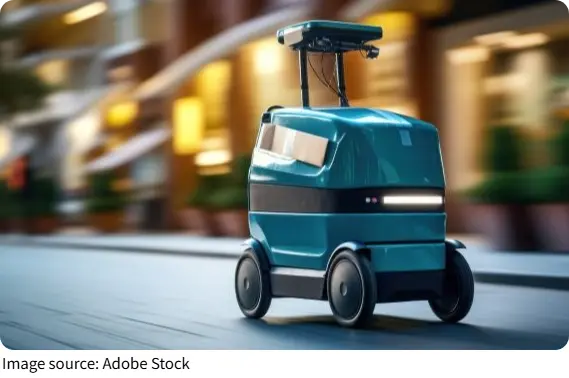
A small, self-driving delivery robot zips past pedestrians, avoids potholes, and drops off a package at your door without a hitch. It's the future of logistics, right? Well, almost.
While autonomous delivery vehicles (ADVs) are becoming increasingly common, ensuring their safety and accuracy in complex urban environments remains a major challenge.
In this article, we'll dive into the obstacles these delivery robots face and how companies are addressing them to ensure smooth, safe, and reliable operations.
The Complexity of Urban Environments
Urban environments are full of variables that can make navigation tricky for autonomous vehicles. From crowded sidewalks to unpredictable traffic, these robots must be equipped with the latest technology to handle every situation.
Crowds and Obstacles: In busy cities, pedestrians, cyclists, pets, and other obstacles are constantly moving. Autonomous delivery robots must be able to detect these obstacles in real-time and react appropriately. For example, if a pedestrian suddenly steps into the robot's path, it must stop or reroute to avoid a collision.
Dynamic Traffic Conditions: Robots also need to navigate through unpredictable traffic. Whether it's a construction site, parked cars, or unexpected traffic jams, these vehicles must continuously analyze their environment and make decisions on the fly to stay on course.
For operators of delivery robots, it's crucial to invest in advanced sensors and AI systems that can quickly process information and adjust the robot's path. This technology ensures the robot can respond to changes in the environment in real time, improving both safety and efficiency.
Ensuring Precision and Accuracy
While navigating complex environments is one challenge, ensuring that delivery robots arrive at the correct location is another. In urban areas, addresses may be unclear, delivery points can be hidden, and narrow spaces can make maneuvering difficult.
Accurate Geolocation: Autonomous delivery vehicles rely on GPS and mapping technology to find their way. However, in dense urban environments, GPS signals can be weak or unreliable, especially in areas with tall buildings that can block satellite signals.
Targeting Specific Locations: Whether it's a specific building or an apartment on the 3rd floor, the robot needs to be able to identify its destination with precision. Without human intervention, this means the system needs to be highly accurate in recognizing addresses and verifying the drop-off location.
To improve precision, companies should implement a hybrid navigation system that combines GPS with high-definition maps and local sensors like cameras and LIDAR. This helps improve accuracy even in GPS-challenged areas, ensuring deliveries are made to the right spot.
Handling Safety and Security Concerns
Another critical concern for autonomous delivery robots is ensuring their safety from both physical and cyber threats. These vehicles are carrying valuable goods and personal information, making them attractive targets for theft or hacking.
Physical Security: Autonomous delivery robots are vulnerable to theft or vandalism, especially when they're operating in less secure areas. Measures like built-in alarms, locks, and even surveillance cameras can help deter theft, but these systems must be smart enough to recognize suspicious behavior and act accordingly.
Cybersecurity: As with any connected device, autonomous delivery robots are susceptible to hacking or data breaches. Hackers could interfere with the robot's navigation or steal personal data from the system. To protect against these threats, the robots need strong encryption and secure communication protocols.
Operators should prioritize cybersecurity by integrating end-to-end encryption and regular software updates. Additionally, ensuring that physical security measures are in place (like GPS tracking and alarms) will reduce the risk of theft or damage.
Regulatory and Legal Challenges
Autonomous delivery technology is still in its infancy, and governments around the world are figuring out how to regulate these vehicles. There's still a lot of work to be done to establish clear, uniform guidelines for their operation in public spaces.
Legal Roadblocks: Many cities have yet to pass laws that govern the use of autonomous delivery robots on sidewalks and roads. Without clear regulations, companies may face fines or restrictions on where they can operate their robots.
Liability in Case of Accidents: If an autonomous delivery robot causes an accident—whether it's a collision with a pedestrian or a malfunction that causes property damage—there's the issue of liability. Who is responsible? The company that owns the robot? The manufacturer? This is a gray area that will need to be clarified as the technology becomes more widespread.
Companies should stay up to date on local regulations and actively work with lawmakers to ensure that their vehicles are compliant. Having clear insurance policies and liability protocols in place will also ensure peace of mind for both companies and consumers.
The Future of Autonomous Deliveries
Despite these challenges, the future of autonomous delivery technology is incredibly promising. As the technology advances, so too will the solutions to these problems. Companies are already working on improving sensors, AI, and mapping systems, making it easier for robots to navigate the complexities of urban environments.
Continuous Improvement: As AI systems learn from more data, they will continue to become better at predicting and reacting to their surroundings. In the future, robots may even be able to anticipate and avoid situations that currently cause them trouble, such as pedestrians running across streets or sudden changes in traffic flow.
Collaboration with Humans: While full automation is the goal, a hybrid approach may be more practical in the near term. In some cases, a human operator could oversee a delivery, stepping in when the robot encounters an unexpected situation that it can't handle alone.
For businesses interested in adopting autonomous delivery solutions, starting with a pilot program that combines human oversight with AI will allow for smoother implementation and provide valuable data to improve the system over time.
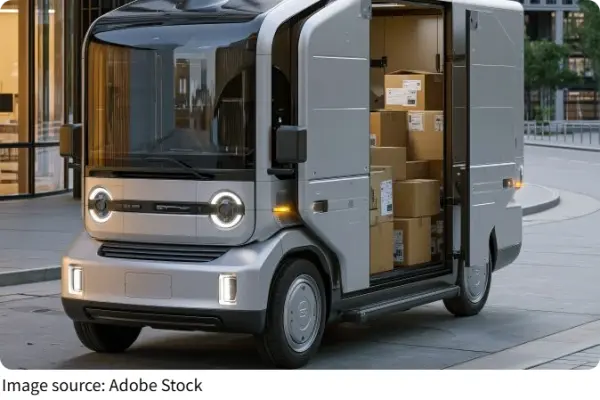
Autonomous delivery vehicles have the potential to revolutionize urban logistics, but ensuring their safety and accuracy in complex environments requires overcoming several hurdles. With continuous improvements in AI, sensors, and mapping technology, these vehicles will become more adept at navigating crowded streets and delivering packages with precision.
As these systems evolve, they could redefine how we think about urban deliveries—making them safer, faster, and more efficient than ever before.