Women Riders Market Rise
Arvind Singh
| 12-06-2026
 · Automobile team
Hello, Lykkers! Have you noticed more women on two wheels lately?
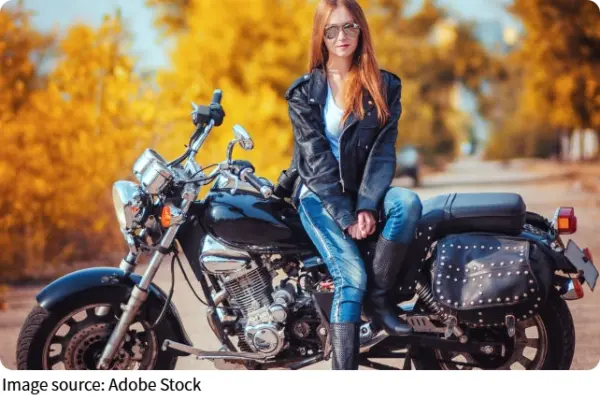
The stereotype of a leather-clad male biker is fading fast. Across the globe, female riders are not just a growing demographic, they are a powerful economic force.
From entry-level scooters to long-distance touring machines, women are redefining what it means to ride. And brands are finally paying attention.

Who Are Today's Female Riders?
The rise is not just about numbers, it is about diversity. Women are coming to motorcycling from all walks of life: young professionals seeking adventure, empty nesters rediscovering freedom, and fitness enthusiasts looking for a new challenge. Many are self-taught through online courses or women only training camps. The median age ranges from early 30s to mid 40s, often with higher disposable incomes than earlier generations. They value safety, comfort, and style over raw horsepower.
What They Buy and Why
Female riders have distinct purchasing patterns. They prioritize modular helmets with good ventilation, jackets with protective padding tailored for smaller frames, and gloves that fit properly. Gear designed specifically for women now accounts for a significant share of sales, with prices ranging from USD 120 for a quality jacket to USD 600 for a full set of protective touring gear. Motorcycles themselves are also shifting: lighter middleweight cruisers and adventure bikes with lower seat heights are top sellers. Brands like Honda, Kawasaki, and Royal Enfield have introduced models with adjustable suspension and narrower grips to suit different body types.
Travel and Community
Group rides and solo road trips are booming among female riders. Popular routes include coastal highways and scenic mountain passes. Many organize through social media groups, meeting for weekend getaways or week long expeditions. This has created demand for women friendly lodging and secure parking. Some resorts now offer packages with bike rentals, guided rides, and on site mechanics. A typical three day tour in a national park region costs around USD 450 per person, including bike rental, accommodation, and meals. The sense of camaraderie is strong, with forums buzzing about tire pressure tips and the best waterproof panniers.
Consumption Potential and Market Response
The economic impact is undeniable. Spending on gear, accessories, and travel by female riders has grown by double digits annually. This has pushed manufacturers to expand women specific product lines and hire female testers and designers. Motorcycle dealerships are also adapting: hosting ladies nights, providing test rides, and training sales staff to avoid gender biases. Insurance companies now offer discounts for courses that include women only classes. The ripple effect reaches events too, with rallies featuring female keynote speakers and workshops on maintenance and navigation.
Challenges That Still Need Fixing
Despite progress, obstacles remain. Many riders report feeling underestimated at repair shops or during group rides. Sizing inconsistency across brands is a common frustration: a medium in one brand may fit like a small in another. Availability of demo bikes for short riders is limited. More work is needed in product design and retail experience to fully capture this audience. But the momentum is strong, and each generation of new riders pushes the industry further.
So whether you are a seasoned rider or thinking about taking a first lesson, the road is wide open. The female rider community is welcoming, resourceful, and only getting bigger. Support the brands that listen, share your stories, and encourage another woman to twist the throttle. The journey is just beginning.