Smart Cars and Family Life

Caroll Alvarado
| 12-06-2026
 · Automobile team
Imagine starting your day with the car already warmed up and ready to go, without having to step foot outside.
Or, picture a car that can drive itself to a charging station while you're inside working, saving you time.
These futuristic scenarios are becoming more common thanks to the rise of smart and electric vehicles (EVs), which are transforming the role of cars in family life.
In this article, we'll explore how the shift to smart technology and electric power in cars is not just about reducing emissions or boosting tech features, but also about making everyday family life easier, more efficient, and more connected.
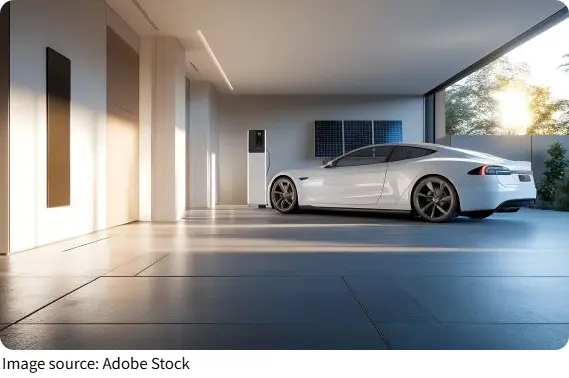
Electric Vehicles: A New Kind of Convenience
Electric vehicles (EVs) are slowly becoming a staple in many families' garages, and it's not just for environmental reasons. EVs are reshaping the way we think about transportation, making family travel easier and more affordable.
Lower Running Costs: With rising gas prices, families are increasingly turning to EVs for savings. Charging at home is far cheaper than filling up at the gas station, and with fewer moving parts, maintenance costs are significantly lower. For instance, a family might spend $10–$15 per week charging an EV, compared to $50 or more for a gas-powered car.
Convenience of Home Charging: One of the biggest benefits of EVs is the ability to charge them at home. No more making trips to the gas station or worrying about refueling during a busy day. Many families install home charging stations, making it as easy as plugging in your phone.
If you're considering switching to an electric car, check whether your home is ready for an EV charging station. Some homes may require electrical upgrades to handle the demand, so it's good to factor that into your decision.
Smart Cars: Bringing the Future Home
Smart technology is now a staple in modern cars, and it's making daily life more connected than ever. With features like voice control, automated parking, and intelligent navigation, smart cars are seamlessly integrating into the fabric of family routines.
Improved Navigation and Traffic Management: Smart cars can learn from past routes and offer real-time traffic updates, saving you time. Whether it's avoiding a jam or finding the quickest route to a family gathering, these vehicles make travel easier. For example, a smart car can reroute you on the fly to avoid traffic or construction, ensuring you arrive on time without stress.
Voice-Activated Assistance: Voice assistants like Alexa or Assistant are increasingly integrated into cars, allowing drivers to control functions, make calls, or even check the weather—all without lifting a finger. This is especially useful for families with young children or busy parents who need to keep their hands on the wheel.
Explore smart cars with features like remote start and voice assistants, which can help manage daily tasks and make commuting more efficient. These features save time and reduce distractions, allowing families to enjoy a safer and more comfortable journey.
Autonomous Vehicles: The Next Level of Family Freedom
While fully autonomous cars may still seem like something out of a sci-fi movie, many families are already getting a taste of the future with vehicles that can take over some driving functions. From autopilot to semi-autonomous systems, these cars are changing the way families think about commuting and even family outings.
More Family Time: As autonomous vehicles become more capable, they allow families to use travel time for other activities. Parents can catch up on work, children can play games or watch movies, and everyone can simply relax while the car does the driving. This technology offers the potential for stress-free commutes or road trips.
Increased Safety: Autonomous vehicles are designed to reduce accidents caused by human error, such as distractions, fatigue, or reckless driving. With sensors and cameras constantly scanning the road, these vehicles are always alert, potentially making family travel safer.
If you're considering an autonomous vehicle, research the current available models that offer semi-autonomous features. Cars with lane-keeping assist or automatic braking can make driving easier, even if they're not fully self-driving.
Integration with Home Technology: Cars as Part of the Smart Home
As more homes become equipped with smart technology, cars are no longer just standalone tools—they're becoming an extension of the connected home. From controlling your car via smartphone apps to syncing it with home devices, the integration between your home and car is growing stronger.
Remote Control and Monitoring: Many modern cars now come with smartphone apps that allow you to check the car's status, track its location, and even start it remotely. For example, if it's a chilly morning, you can start your EV from the comfort of your home and have it warm up before you even step outside.
Connected Devices: Some cars are now integrated with home assistants, allowing you to control your car with simple voice commands. Whether it's unlocking the door, adjusting the climate, or scheduling a charge, the car becomes a seamless part of your daily routine.
Explore the compatibility between your car and home devices. If you already use a smart thermostat or lighting system, finding a car with smart home integration can make your life even easier by creating a fully connected environment.
The Future of Family-Friendly Mobility
As electric and smart technologies continue to evolve, the way we use cars in family life will only become more advanced. Future innovations like fully autonomous vehicles, advanced AI systems, and even more energy-efficient cars will continue to change how families travel, work, and interact with their cars.
Sustainability and Efficiency: As electric vehicles become more affordable and efficient, the impact on family budgets will be even greater. Families will be able to spend less on energy and maintenance, leaving more room for other priorities.
Smarter Homes and Smarter Cars: The future promises even more integration between cars and home systems, making it easier to manage family life from the palm of your hand. Whether it's controlling the car's settings, planning trips, or optimizing your energy usage, the possibilities are endless.
Keep an eye on upcoming trends in electric and autonomous vehicles. As technology improves, the options available to families will become more affordable and practical, making it easier to invest in these changes.
The rise of electric and smart cars is making a noticeable impact on family life, from simplifying travel to making everyday tasks easier. As technology continues to advance, the car of the future will be even more integrated into our homes and routines, offering greater efficiency, convenience, and safety for families everywhere. With all the potential benefits, it's clear that the future of family mobility is bright—and already here.