Colors & Mood at Home

Finnegan Flynn
| 22-06-2026
 · Lifestyle team
Colors in a home do more than decorate a space; they help shape how a room feels and how people experience it in daily life.
Different shades can subtly influence mood, energy, and relaxation, even if the effect varies from person to person. While individual preferences and environment matter, color is often used to support certain emotional atmospheres within interior spaces.
Warm colors and energy
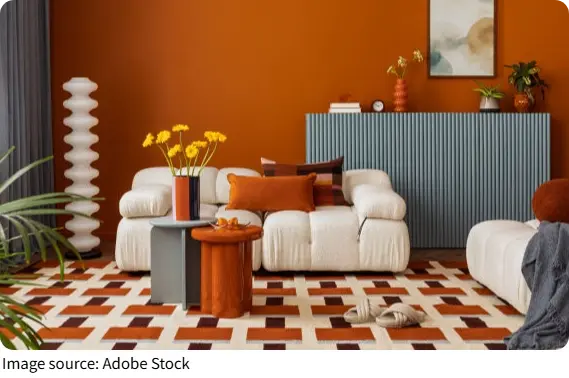
Warm colors usually bring a lively, active feeling into a space. Red is often associated with strong emotion, excitement, and intensity. In a home, it can make a room feel bold and stimulating, though its excessive use may feel overwhelming. Orange tends to feel friendly and inviting, encouraging conversation and warmth. Yellow is often linked with happiness, brightness, and optimism, helping spaces feel open and cheerful, although strong tones may sometimes feel intense.
People often feel more energized in warm-toned rooms, especially in shared areas such as living rooms and dining spaces. These shades can create a welcoming and active atmosphere but may be less suitable for rest-focused rooms if overused.
Cool colors and calm
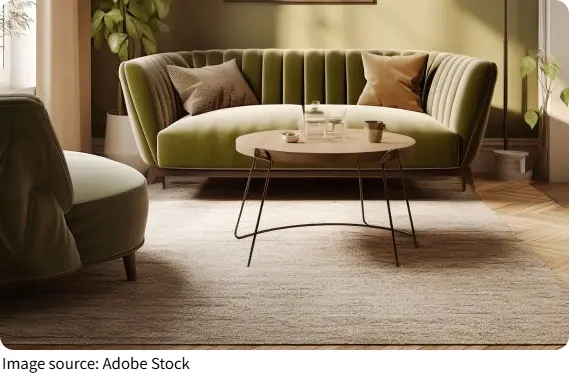
Cool colors usually create a calmer and more relaxed atmosphere. Blue is widely associated with calmness, stability, and focus, making it a common choice for bedrooms and study spaces. Green is linked with nature, balance, and renewal, often creating a refreshing and grounded feeling. Purple can suggest creativity, depth, or quiet elegance depending on its tone.
Cool-toned rooms often feel more peaceful and mentally steady. However, overly cool or muted environments may feel distant if not balanced with warmer or neutral elements.
Neutrals, light, and personal meaning
Neutral colors such as white, gray, beige, and brown create flexible and balanced environments. White can feel clean and open, though sometimes it may appear stark. Gray often feels modern and steady, while beige and earth tones add warmth and comfort without overwhelming the space.
Lighting also plays a major role in how color is perceived. The same shade can feel completely different depending on brightness, shadows, and natural light. Personal memories and cultural associations further influence how colors are experienced, making each response unique.
What this means at home
Color can influence mood, but it does not act alone. Lighting, furniture, room function, and personal preference all shape the overall atmosphere of a space.
When choosing colors, it is helpful to consider the feeling you want each room to support. Softer tones often work well in bedrooms, warmer shades suit social spaces, and balanced neutrals are ideal for flexible living areas.
Ultimately, home color is less about strict rules and more about creating harmony and comfort. It works quietly in the background, shaping how a space feels while supporting daily life.
Room colors play a subtle but meaningful role in shaping how a home feels and functions. While they do not directly control emotions, they can support different moods such as calmness, energy, or focus when chosen thoughtfully. A well-balanced combination of color, lighting, and purpose helps create a living space that feels comfortable, natural, and aligned with everyday life.