Corner Seating Ideas

Sofia Alvarez
| 23-06-2026
 · Lifestyle team
Empty corners are one of the most underestimated opportunities in a room.
Most people either ignore them entirely or stick a plant in there and call it done.
However, a well-chosen accent chair in the right corner can do something interesting — it creates a secondary focal point, fills awkward space with purpose, and injects personality into a room without requiring a full redesign. The trick is knowing what to choose and how to set it up once it's there.
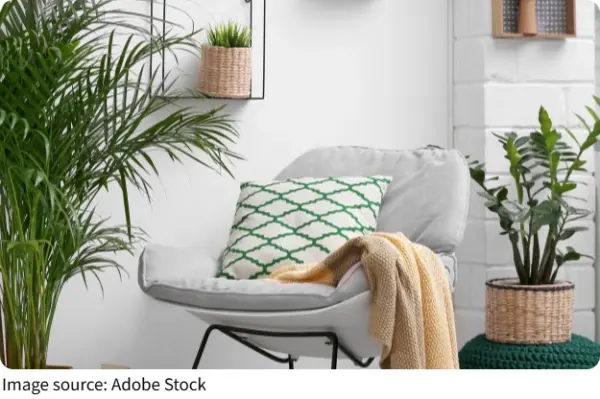
Scale First — Always Measure Before You Shop
The number one mistake people make with accent chairs in small spaces is choosing something too big or too small for the corner. An oversized chair can make a tight corner feel claustrophobic; a tiny slipper chair can disappear into the room and lose its impact entirely.
Before looking at anything, measure the corner — width and depth — and figure out how much floor space you can realistically give up while still allowing movement around it. Armless chairs or those with a slim profile naturally take up less visual and physical space, making them a smarter pick for compact corners. Barrel chairs and round-backed designs can soften the hard angles of a corner in a way that rectangular shapes simply don't.
Use the Chair to Bring in Bold Color or Texture
Because an accent chair sits in the corner rather than taking center stage, it actually handles bold design choices better than larger pieces of furniture. A sofa in electric blue would feel overwhelming in a small room; a single armchair in that same color reads as a considered, playful choice.
This is where you can go for emerald green velvet, a graphic geometric pattern, or a deep rust bouclé that you'd be nervous to commit to on something bigger. The chair becomes a point of interest rather than a dominant presence.
If the room is already working with a fairly neutral palette, a rich color or textured fabric here makes the whole space feel more put-together — it gives the eye somewhere interesting to land.
The Chair Type Shapes the Corner's Purpose
Different chair styles naturally suggest different uses, and matching the type to the corner's intended function makes the whole setup feel intentional. A wingback chair with its high, enveloping back creates a natural sense of enclosure — ideal for a reading corner where you want to feel slightly apart from the room.
A swivel chair is perfect for a corner that needs to multitask, since it can rotate toward conversation or toward the TV without requiring you to move the whole piece. A rounded womb-style or barrel chair adds a sculptural quality that makes the corner feel like a deliberate design moment rather than a leftover space. Think about what you actually want to do in that corner, and let that drive the shape you choose.
Add a Floor Lamp and Side Table to Complete the Setup
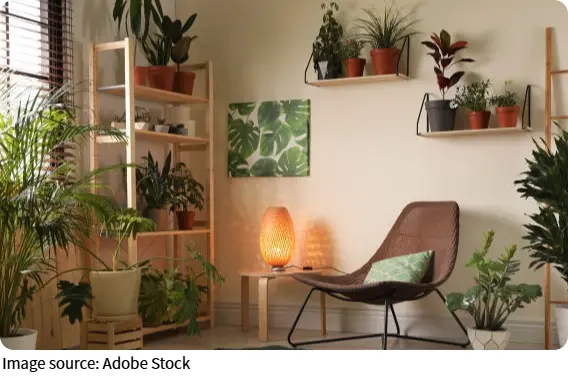
A chair alone in a corner can still look like an afterthought. What makes it feel like a real vignette is the supporting cast: a floor lamp placed just behind and to one side (not directly overhead), and a small side table or stool within arm's reach.
The lamp brings warmth and makes the corner feel lit and inviting even when the main lights are off. The side table gives the chair a practical anchor — somewhere to put a drink, a book, or a small plant — and visually grounds the whole arrangement. If the corner is particularly awkward or narrow, a wall-mounted sconce can replace the floor lamp without taking up any floor space at all.
Don't Overlook the Floor Beneath
A small rug under or in front of the chair ties the corner together and makes it feel like a defined zone rather than a chair randomly placed near a wall. It doesn't need to be large — something that sits primarily under the front legs of the chair, extending slightly outward, is enough to signal that this corner has its own identity within the room.
The rug is also a chance to pick up a color from the chair fabric and repeat it elsewhere, which is one of the easiest ways to make a room feel cohesively designed rather than assembled from separate pieces.
Ultimately, an empty corner is not a problem to fix—it's an opportunity to express personality and elevate your interior's character. With the right scale, a confident color choice, thoughtful lighting, and a grounding rug, even the smallest alcove becomes a memorable design moment.
The best part? You don't need a full renovation to achieve it. Lykkers, take a fresh look at your quiet corners today. Which one is ready for its own stylish transformation?