Cozy Home Work Corner

Sofia Alvarez
| 23-06-2026
 · Lifestyle team
Creating a cozy home work corner is no longer a luxury in modern living. It has become an essential part of daily life, especially as homes now serve multiple purposes.
A well-designed workspace can improve focus, reduce stress, and support a healthier work–life balance.
The key is to design a space that feels both comfortable and productive, without overwhelming the rest of the home environment.
Choose the Right Location
A good home work corner starts with placement. Ideally, it should be set in a quiet area with natural light exposure. Natural light helps improve focus during the day and creates a more open and refreshing atmosphere.
Even in smaller homes, a dedicated corner near a window or a calm wall can create a strong sense of separation between work and relaxation zones.
From a design perspective, thoughtful space planning helps define how different areas of a home function without needing physical walls.
Focus on Comfort and Ergonomics
A cozy workspace is not only about appearance—it must also support the body properly. A supportive chair and correctly positioned desk can significantly improve comfort during long working hours.
The screen should be placed at eye level, and seating should allow the feet to rest flat on the ground with relaxed arm positioning while typing.
Small supportive elements such as cushions or adjustable stands can improve posture and reduce fatigue over time.
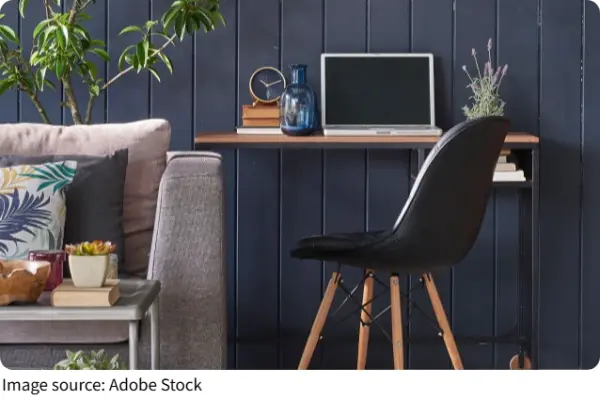
Use Lighting to Shape Mood and Focus
Lighting plays a major role in how a workspace feels throughout the day. A balanced setup should include:
- Natural daylight for active working hours
- Focus lighting for detailed tasks
- Soft ambient lighting for relaxed evening use
Warmer lighting tones create a more relaxed atmosphere, while cooler tones can support alertness and concentration during demanding tasks.
A flexible lighting setup allows the space to adapt to different needs throughout the day.
Keep the Space Simple and Organized
A clean and organized workspace supports clearer thinking. Too many objects can create visual distraction and reduce productivity.
Only keep essential items on the desk such as work tools, notebooks, or devices. Additional storage solutions can help keep everything else neatly arranged and out of sight.
A minimal approach helps the workspace feel calm, structured, and easier to maintain daily.
Add Warmth Through Materials and Texture
A cozy workspace should feel inviting rather than rigid. Soft textures and natural materials can help achieve this balance.
Wooden surfaces, fabric desk mats, woven storage elements, and soft textiles can add warmth and comfort to the environment.
These elements create a more grounded and pleasant atmosphere, even in compact spaces.
Create a Clear Work Boundary
Even within a shared space, it is important to create a mental and visual boundary for work. This helps the mind switch between focus time and relaxation time more effectively.
Simple ways to achieve this include:
- Positioning the desk facing a specific direction
- Using a distinct wall or backdrop
- Keeping consistent workspace setup habits
These subtle boundaries help improve concentration and reduce mental clutter.
Personal Touch Without Overcrowding
Adding personality to a workspace can make it more enjoyable, but it should remain balanced. A few carefully chosen items are enough to create a pleasant environment.
Plants, simple decor pieces, or small inspirational objects can enhance the atmosphere without distracting from the main purpose of the space.
The goal is to support focus while still making the area feel personal and comfortable.
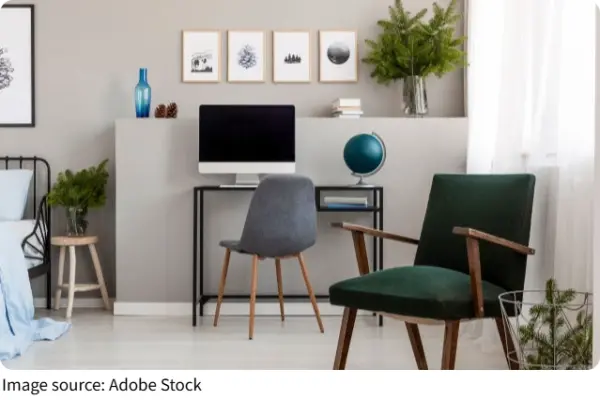
A cozy home work corner is about combining comfort, simplicity, and thoughtful design. When planned well, even a small space can become a highly effective and calming workspace.
By focusing on layout, lighting, comfort, and minimal organization, you can create a work environment that supports both productivity and relaxation in everyday life.