Sundarban Travel Guide!

Arjun Mehta
| 23-06-2026
 · Travel team
Welcome, Lykkers! Sundarban is one of the most fascinating natural destinations in South Asia, where mangrove forests, wildlife, rivers, and local culture create a unique travel experience.
This UNESCO-listed region is famous as the home of the Royal Bengal Tiger and one of the largest mangrove ecosystems in the world. For travelers who love nature, wildlife observation, photography, and peaceful adventures, a Sundarban trip offers an unforgettable escape.

The destination is especially popular among eco-tourism lovers because it focuses on responsible travel, protecting wildlife, and supporting local communities. From boat safaris through narrow forest channels to village visits and birdwatching, Sundarban has many activities for travelers who want something beyond a traditional holiday.
Sundarbans National Park
Best Time to Visit Sundarban
The ideal time to plan a Sundarban trip is from late September to March. During this period, the weather is comfortable, the rivers are calmer, and wildlife spotting becomes easier. The winter months from November to February are considered the most pleasant because temperatures are cooler and migratory birds are commonly seen.
The monsoon season from June to September brings heavy rainfall and strong tides. Although the forest becomes incredibly green and beautiful during this time, boat travel can be challenging. Travelers visiting during monsoon should follow local safety advice and check weather conditions before starting any river activity.
How to Reach Sundarban
Most travelers start their journey from Kolkata, the nearest major city. The common route is Kolkata to Godkhali, followed by a boat journey into the Sundarban region. By road, private cars or shared vehicles from Kolkata to Godkhali usually cost around $15–$40 depending on the vehicle type. The journey takes approximately 3–4 hours.
Public buses are a cheaper option, costing around $2–$5, but they may take longer and can be less comfortable. Another option is train travel toward Canning, followed by local transport to Godkhali. Train tickets usually cost about $1–$3 depending on the class. Many travelers choose organized Sundarban tour packages because they include transportation, accommodation, meals, boat permits, and local guides, making the journey easier.
Sundarban Entry Fee and Permit Information
Sundarban is a protected forest area, so visitors need official entry permission. Fees vary depending on the zone, nationality, and services included. Generally, forest entry charges for visitors are around $1–$10 per person, while camera or photography permissions may require additional fees.
Top Things to Do in Sundarban
Boat Safari Through the Mangrove Channels
The boat safari is the main attraction of Sundarban. Unlike traditional wildlife parks where visitors explore by vehicle, Sundarban wildlife viewing happens from boats because the forest is surrounded by tidal waterways. A safari allows travelers to explore creeks, rivers, and forest edges while searching for Royal Bengal Tigers, spotted deer, crocodiles, monkeys, and different bird species.
Boat safari prices usually range from $20–$60 per person depending on the duration and package. Safaris generally operate during daylight hours, and timing depends on tides and forest regulations.
Visit Sajnekhali Bird Sanctuary
Sajnekhali is one of the best places for bird lovers. The area attracts many resident and migratory birds, including kingfishers, herons, egrets, and other wetland species. The sanctuary area is usually included in forest tour routes. Entry fees are generally around $1–$5 depending on visitor category and permit rules. The best visiting time is morning when birds are most active.
Explore Sundarban Watchtowers
Watchtowers provide safe locations to observe wildlife from a higher viewpoint. Popular places include Sajnekhali, Sudhanyakhali, Do Banki, Burir Dabri, and Netidhopani. Some watchtowers also offer special experiences such as canopy walks and forest trails. Fees are commonly included in tour packages, while independent visitors may pay small local charges depending on the location.
Discover Bon Bibi Culture
Bon Bibi is an important spiritual figure among Sundarban communities. Local people believe this guardian protects both humans and animals from danger. Visiting Bon Bibi temples provides insight into the traditions and beliefs of people living near the mangrove forest.
Accommodation Options in Sundarban
Accommodation in Sundarban ranges from eco-resorts to simple guesthouses. Since the region is remote, booking early is recommended. Some popular options include:
Sundarban Tiger Camp – A nature-focused stay with rooms generally starting around $70–$120 per night.
Sundarban Gateway Resort – A comfortable resort option with prices often around $50–$100 per night.
Food and Dining in Sundarban
Food in Sundarban usually focuses on fresh local ingredients and traditional regional dishes. Many tour packages include meals because restaurants are limited in remote areas. Travelers can find dining options such as:
Solitary Nook – A local dining option where meals may cost around $5–$15 per person.
Sundarban Riverside Restaurant – Offers local-style meals with prices generally around $5–$12 per person.
Travel Tips for a Safe Sundarban Experience
- Book tours early, especially during peak months.
- Carry insect protection because mosquitoes are common near wetlands.
- Wear comfortable cotton clothing and avoid bright colors during forest activities.
- Follow instructions from guides and forest authorities.
- Avoid disturbing wildlife or making loud sounds during safaris.
- Choose eco-friendly operators that support local communities.
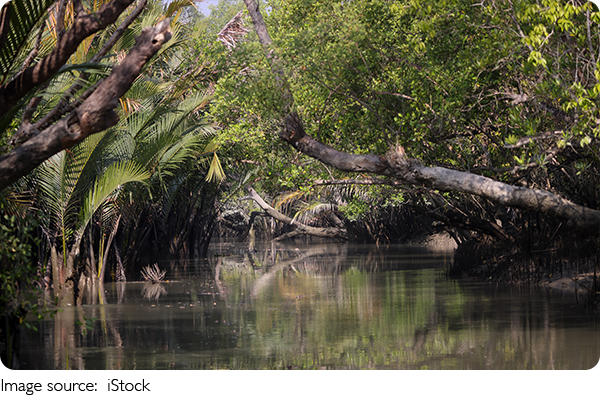
Sundarban is more than a wildlife destination; it is a place where rivers, forests, animals, and human traditions exist together. A well-planned visit allows travelers to experience thrilling boat journeys, peaceful natural scenery, and the rare chance to witness one of the world’s most impressive ecosystems. Whether you are interested in photography, adventure, birdwatching, or simply escaping into nature, Sundarban offers a memorable journey filled with discovery and respect for the environment.