Car Electrical Issues

Ravish Kumar
| 08-07-2026
 · Automobile team
There's nothing more frustrating than being on the road, only to realize your headlights are flickering, or worse, completely out.
It can feel like a sign of something big and scary, but often, it's a small fix waiting to happen. Car electrical issues are common, but thankfully, most of them can be diagnosed and resolved without a trip to the mechanic.
Let's explore the common problems and how to spot them before they leave you stranded.
Flickering or Dead Headlights
Headlights are often the first sign of an electrical issue. If your headlights flicker or don't turn on at all, it's usually an issue with the electrical system. Here's how to troubleshoot:
Check the Bulbs: Before anything else, make sure the bulbs are not burned out. If they are, simply replace them.
Test the Fuse: The headlight fuse can burn out due to electrical surges. Look in your car's manual for fuse locations and swap out the blown fuse with a new one of the same amperage.
Examine the Wiring: If the bulbs and fuse are good, you might have a wiring issue. Inspect the wiring connected to the headlights for signs of wear or corrosion.
Alternator Issues: A malfunctioning alternator can also cause flickering. If you notice dimming headlights while driving, the alternator may not be charging the battery correctly.
Starting Problems: A Closer Look
The moment you turn the key or press the start button and your engine won't crank, it's a clear sign something is wrong with your starting system. But what exactly?
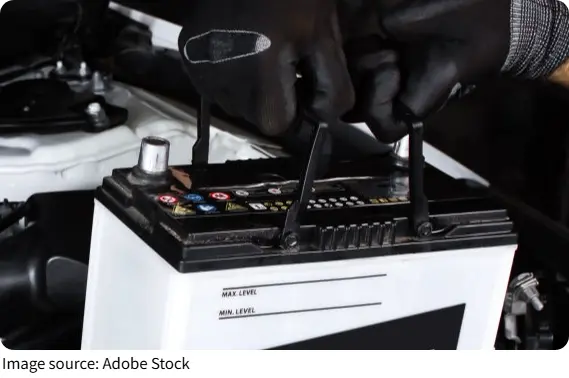
Dead Battery: The most common issue is a dead or weak battery. Check the battery voltage with a multimeter; a healthy battery should read around 12.6 volts when the car is off.
Corroded Battery Terminals: Corrosion around the battery terminals can prevent the car from starting. Clean the terminals with a mixture of baking soda and water to remove the buildup.
Starter Motor: If the battery and terminals are fine, the issue might lie with the starter motor. A malfunctioning starter can prevent the engine from turning over. Listen for any clicking sounds when turning the key—this could indicate a bad starter.
Ignition Switch: If your car doesn't start but the lights and accessories work, the ignition switch could be faulty. Replacing the ignition switch might be necessary if this is the issue.
Dashboard Warning Lights: What Do They Mean?
When that mysterious “check engine” light pops up, it's easy to panic. However, it could be anything from a loose gas cap to a deeper electrical issue. Here's how to handle it:
Read the Code: The first step is to read the trouble code with an OBD-II scanner. These scanners can often be purchased at auto parts stores or borrowed from a local library. The code will give you a better idea of what the problem is.
Look for Patterns: Pay attention to how the car behaves when the light comes on. Is it running rough? Is there a noticeable decrease in performance? These patterns will help you and the mechanic pinpoint the issue.
Common Causes: If the code points to something like a faulty sensor or wiring issue, you can check those components yourself. For instance, a faulty oxygen sensor can often be replaced by the owner if they have the right tools and guidance.
Other Common Electrical Problems
In addition to headlights, starting systems, and dashboard warning lights, there are a few other electrical issues to keep an eye on.
Power Window Failures: If your power windows stop working, it's often the result of a bad window motor or switch. If the motor still makes noise but the window doesn't move, the regulator might be stuck.
Malfunctioning Radio: A sudden loss of radio functionality could be as simple as a blown fuse. It could also indicate a larger issue with the vehicle's electrical supply to the system. Check the fuse first, then move on to the wiring.
Wipers Not Working: A faulty wiper motor can leave you struggling to drive in the rain. Check the motor, fuse, and switch. If the motor doesn't engage, replacing it is usually the best solution.
Be Proactive with Your Electrical System
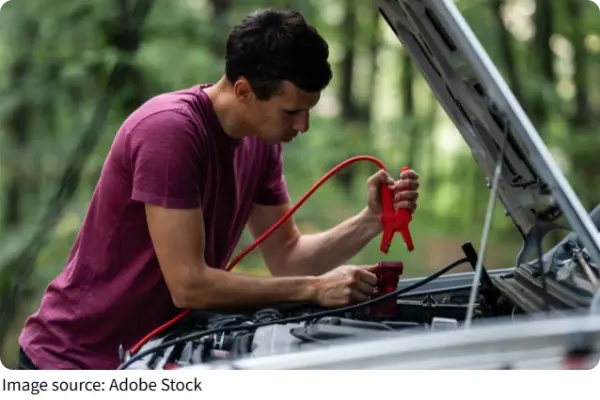
Electrical issues in cars are often straightforward but can escalate if ignored. Regular maintenance, like checking your battery, fuses, and lights, can go a long way in preventing these problems from disrupting your daily drive. Plus, with a little knowledge, you can diagnose and fix common issues on your own, saving you time and money.
So, the next time your headlights flicker or your car won't start, don't panic. Instead, roll up your sleeves, check the basics, and you'll be back on the road in no time.