Motorcycle Sports & Culture

Camille Dubois
| 08-07-2026
 · Automobile team
Motorcycle sports have always been more than just thrilling races; they reflect broader shifts in global culture and society.
From the earliest days of motorcycling to the present-day dominance of MotoGP, motocross, and other racing events, motorcycle sports have captured the public's imagination and served as a mirror to cultural changes.
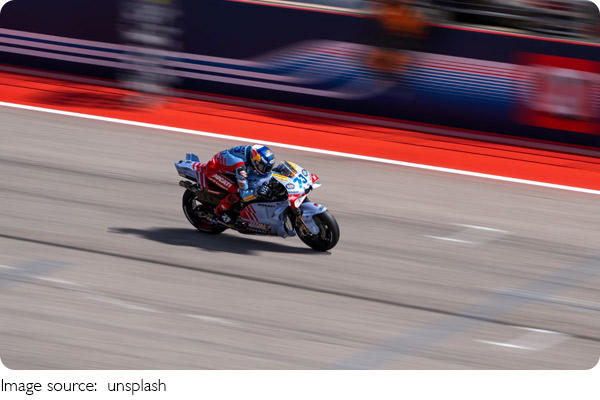
Watching a motorcycle race isn't just about speed; it's about witnessing the evolution of human innovation, the passion for freedom, and the push against limits, all unfolding on the track.
In the mid-20th century, motorcycle racing grew rapidly, with people from all walks of life being drawn to the sport. This rise wasn't just about motors; it was tied to the global changes happening at the time. The need for speed, the fascination with machines, and the rise of individualism—these were values mirrored in the growing popularity of motorcycle racing.

The Rise of Individualism in the 1960s
The 1960s were a transformative decade for global culture. As societies around the world grappled with shifting norms, motorcycle racing became a platform where individuals expressed their desire for freedom and non-conformity. The culture around motorcycle sports reflected this shift toward valuing personal freedom and autonomy.
In the world of motocross and road racing, it wasn't just about teams anymore.
The spotlight increasingly shone on individual athletes, and motorcycle racing became a space for self-expression. Iconic figures such as Steve McQueen in The Great Escape (1963) made the image of the rebel rider even more entrenched in popular culture, symbolizing the fight against societal constraints.
The motorcycle itself represented a machine that could provide the rider with the ultimate form of individual autonomy.
The 1980s and the Rise of Globalization
The 1980s brought rapid technological advancements, and with them, an increase in globalization. As the world became more interconnected, so did the world of motorcycle sports. Races that were once confined to certain countries grew in scale, attracting international audiences and sponsors.
Brands like Yamaha, Honda, and Ducati began expanding beyond their home markets, and their sponsorship of racing teams became a way to not just market products, but to present an image of innovation and performance.
This globalization of motorcycle sports mirrored changes in society. Just as businesses and brands became more international, people across the globe were experiencing a sense of interconnectedness and cultural exchange. Whether through satellite TV or global advertising campaigns, motorcycle sports became a global spectacle, demonstrating how society was becoming increasingly connected through technology and culture.
Motorcycle Racing Today: Diversity and Inclusion
Fast forward to today, and motorcycle racing has become more inclusive than ever before. Female riders like Ana Carrasco, who won a world championship in the Supersport 300 World Championship, are proving that this sport is no longer limited by gender or background. This reflects broader societal changes in the pursuit of equality and inclusion.
The motorsport industry has also embraced diversity in terms of fan engagement. Races are now held in various countries, with a broad spectrum of fans from different cultures, reflecting how societies today are more inclusive, diverse, and interconnected than ever before.
Additionally, the rise of electric motorcycles is starting to make waves in racing circles. This shift towards eco-friendly alternatives speaks to the global awareness of climate change and sustainability. As environmental concerns grow, motorcycle sports are also evolving to reflect the values of the modern world, where technology, performance, and environmental responsibility are increasingly intertwined.
The Future of Motorcycle Sports: Changing Norms
Looking ahead, motorcycle sports will continue to evolve in response to shifting societal values. As the world continues to change, so too will the athletes, the fans, and the events that define this sport.
We can expect to see more technological advancements, with electric motorcycles possibly becoming a dominant force in competitive racing. Innovations in safety gear, smarter bikes, and better track designs will also reshape how races are run and experienced.
Motorcycle sports will continue to serve as a reflection of global cultural trends, embracing new technologies, fostering inclusivity, and pushing the boundaries of what it means to compete. For fans and participants alike, this sport represents a unique blend of personal freedom, technological advancement, and a shared passion for pushing the limits.
Embracing Change, Celebrating the Ride
Motorcycle sports have come a long way since their inception, and their evolution continues to reflect broader cultural shifts. From the rise of individualism to the global spread of racing and the inclusion of diverse riders, these changes are part of a much larger societal transformation.
Whether it's the technology behind the bikes or the people who ride them, motorcycle racing will always be a reflection of our changing world—a world where the ride never truly ends.