ICE vs. EV: The Debate

Owen Murphy
| 07-07-2026
 · Automobile team
Internal combustion engines (ICEs) are the traditional powerhouse of most vehicles. These engines work by igniting a mixture of fuel and air inside a cylinder.
This ignition causes an explosion, pushing a piston down, which then rotates the crankshaft to produce motion. The process is repeated in rapid succession, generating power to move the vehicle.
ICEs are known for their ability to produce high power outputs. This makes them ideal for heavy-duty applications like trucks and high-performance vehicles. Additionally, their well-established infrastructure means refueling is quick and convenient, with gas stations available almost everywhere.
However, they do have significant drawbacks. ICEs produce emissions that contribute to air pollution and climate change. Moreover, their mechanical complexity leads to higher maintenance costs compared to simpler electric motors.
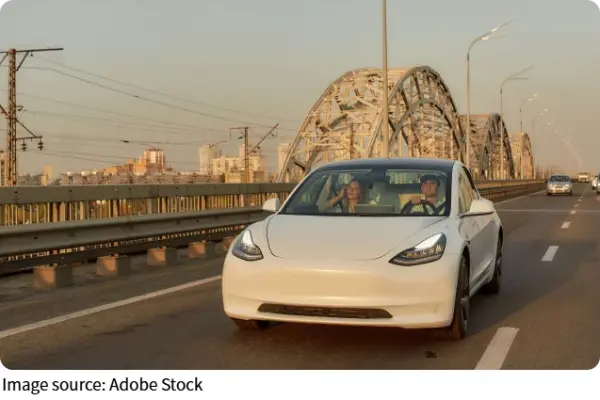
Electric Motors: A Cleaner Option
Electric motors, on the other hand, rely on electricity stored in batteries to power the vehicle. These batteries supply energy to the motor, which uses electromagnetic fields to create motion. Unlike ICEs, electric motors are highly efficient, with minimal energy loss.
Electric vehicles (EVs) have the advantage of zero tailpipe emissions, making them an environmentally friendlier choice compared to traditional gasoline or diesel engines. They also tend to be quieter and require less maintenance due to fewer moving parts.
However, electric motors come with their own set of challenges. Battery life and charging infrastructure remain major concerns. While EVs are improving in terms of range, the need for regular charging can still make long trips inconvenient, especially if charging stations are scarce.
Advantages of Internal Combustion Engines
Internal combustion engines have been around for over a century, and they still hold certain advantages:
Power Output: ICEs can generate a significant amount of power, which is why they are still widely used in larger vehicles like trucks and heavy machinery.
Fuel Availability: Gasoline and diesel are readily available, and refueling a vehicle is quick—typically taking only a few minutes.
Proven Reliability: The technology is well-established, and mechanics are highly skilled at repairing and maintaining ICEs.
Disadvantages of Internal Combustion Engines
Despite their power and reliability, ICEs have several significant drawbacks:
Emissions: The combustion process produces harmful pollutants like carbon dioxide (CO2), nitrogen oxides (NOx), and particulate matter, which contribute to air pollution and climate change.
Fuel Efficiency: ICEs are not as efficient as electric motors, with much of the energy from fuel being lost as heat.
Maintenance Costs: The complexity of ICEs means they require more maintenance, such as oil changes and engine repairs, which can add up over time.
Advantages of Electric Motors
Electric motors are becoming increasingly popular for several reasons:
Environmental Impact: EVs produce no tailpipe emissions, making them a cleaner choice for the environment.
Lower Operating Costs: Electric motors are more efficient, converting a larger percentage of energy into motion. Plus, EVs generally have lower maintenance costs since they don't require oil changes or as many moving parts.
Quiet Operation: Electric motors are quieter than ICEs, contributing to less noise pollution.
Disadvantages of Electric Motors
Despite their advantages, electric motors have some drawbacks:
Limited Range: While battery technology has improved, the range of most EVs is still limited compared to traditional vehicles, and charging can take longer than refueling.
Charging Infrastructure: Although charging stations are expanding, they're not as ubiquitous as gas stations, and charging times can be longer than refueling at a pump.
Battery Lifespan and Cost: Batteries degrade over time, and replacing them can be expensive, although advancements are being made to improve longevity and reduce costs.
Which is Better for You?
When choosing between an internal combustion engine and an electric motor, it largely depends on your needs. If you're looking for power and quick refueling, an internal combustion engine might be the better choice. However, if you're interested in reducing your environmental impact and cutting down on maintenance costs, an electric vehicle could be the way to go.
For those who drive short distances or have access to a reliable charging infrastructure, EVs present a promising, sustainable option. But for long-distance drivers or those who rely on heavy-duty vehicles, the reliability and refueling convenience of internal combustion engines still make them a solid option.
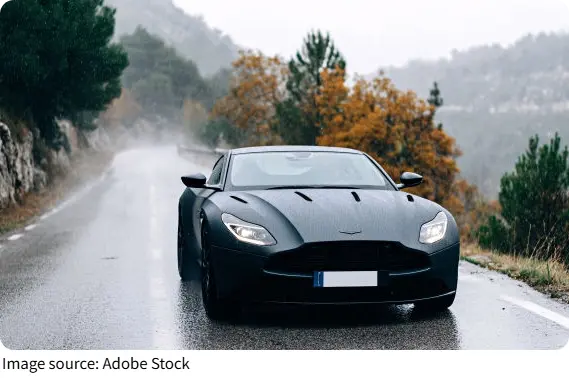
As we move forward into a more eco-conscious world, the debate between internal combustion engines and electric motors will continue to evolve. Each system has its own set of strengths and weaknesses, and the ideal choice will vary depending on individual needs, lifestyle, and values. Keep an eye on the advancements in both technologies—who knows what the future holds!