Plan the Perfect Norway Trip
Naveen Kumar
| 22-08-2026
 · Travel team
Norway can feel difficult to plan because its highlights are spread across an enormous landscape. Fjords, mountain roads, Arctic islands and national parks may be hundreds of kilometres apart, so trying to see everything in one trip usually means spending too much time in transit.
A better approach is to choose one or two regions and make the journeys between them part of the experience.
How to Get There
Oslo is Norway’s main international gateway, while Bergen and Stavanger also receive direct international flights. Travellers arriving from elsewhere in Scandinavia can use rail connections from cities such as Stockholm and Gothenburg, while ferry routes link Norway with several neighbouring European countries.
If your trip focuses on western fjords, flying directly to Bergen can save a considerable amount of travel time.
Choose Transport Carefully
Norway is one of those countries where getting from one place to another can be just as memorable as the destination itself.
Trains are comfortable and pass through dramatic mountain scenery. The Flåm Railway is one of the most famous routes, descending through steep valleys towards Aurlandsfjord.
Along the coast, ferries and express boats connect towns, islands and fjord communities. Hurtigruten’s historic coastal service runs between Bergen and Kirkenes and stops at dozens of ports along the way.
A rental car gives you the most flexibility, particularly for remote valleys and hiking areas, but tolls, ferries, fuel and parking can make driving expensive.
For travellers relying on public transport, Norway’s Entur journey planner combines trains, buses, ferries and city services in one place.
How Much Should You Budget?
Norway remains an expensive destination, but careful planning can keep costs under control.
A typical hotel room can cost around €159 per night, while simple campsite cabins may start at approximately €64.
A casual restaurant meal usually costs around €17–€32, while coffee in a café is typically €3–€6.
For a budget-focused trip, allow around €45–€70 per person per day excluding accommodation if you rely on supermarkets, public transport and mostly free outdoor activities.
For a more comfortable trip with regular restaurant meals, ferries and paid attractions, a daily budget of around €80–€120 per person excluding accommodation is more realistic.
Norway
Use Cabins and Campsites
Accommodation is one of the easiest areas in which to save.
Norway has an extensive network of campsites, basic cabins and mountain lodging. A cabin with cooking facilities can reduce both hotel and restaurant spending, especially on longer trips.
Self-catering is particularly useful in remote areas, where restaurant choices may be limited and prices higher.
One of Norway’s biggest advantages is that many of its strongest experiences cost little or nothing. Hiking, swimming, cycling and exploring natural landscapes can fill entire days without requiring organised excursions.
When Should You Go?
June through August is the classic season for hiking, fjord trips and long daylight hours.
In July, southern Norway usually sees temperatures around 15–22C, while northern regions are generally cooler at roughly 8–15C.
Summer also brings the largest crowds and some of the highest accommodation prices.
May and September can be excellent alternatives. Visitor numbers fall, accommodation is often easier to find and daytime temperatures can still be comfortable for sightseeing and walking.
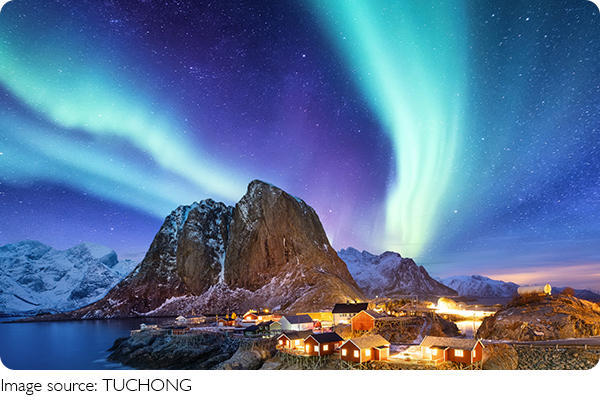
For northern lights, snow-covered scenery and cross-country skiing, travel between October and April.
Winter requires more preparation. Some mountain roads close, daylight becomes very limited in the far north and weather conditions can change quickly.
Plan a Realistic Route
For a first trip of seven to ten days, avoid trying to combine Oslo, Bergen, Lofoten, Tromso and several fjord regions.
A more manageable southern itinerary could link Oslo, Flåm and Bergen, using trains and boats rather than internal flights.
Another option is to concentrate entirely on western Norway, combining Bergen with Sognefjord and nearby hiking areas.
If Arctic scenery is your priority, dedicate the trip to northern destinations such as Lofoten, Vesteralen or Tromso instead of squeezing them into a southern itinerary.
How to Save More
Travelling outside July and August can immediately reduce costs.
Booking trains well ahead can also help, particularly on popular long-distance routes. Supermarkets are useful for breakfasts, picnic lunches and simple dinners, while accommodation with a shared or private kitchen gives you much more control over your spending.
It is also worth limiting paid excursions. A fjord cruise or guided activity can be memorable, but Norway offers enough free scenery that you rarely need to book something expensive every day.
Let Norway Set the Pace
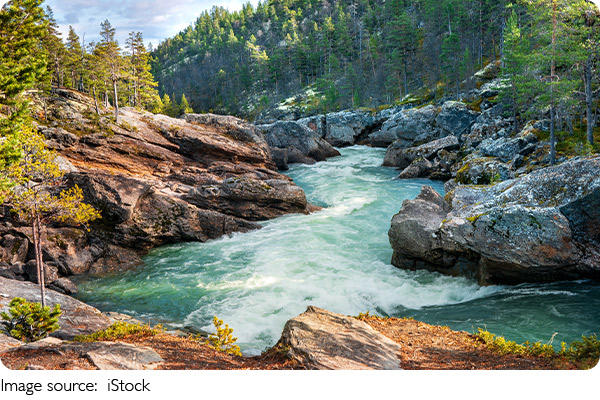
Norway rewards slower travel. A ferry across a quiet fjord, a mountain railway journey or an evening beside a remote lake can be just as memorable as a famous viewpoint.
The easiest way to make a Norwegian trip both affordable and enjoyable is to travel less, stay longer in each region and leave enough space in the itinerary for the landscapes themselves.