


Why Diamonds Sparkle

Daniel2026年10月15日 · 閱讀 5 分鐘
A diamond’s sparkle results from the interaction between light and the stone’s carefully shaped facets.
As light enters the diamond, changes direction, reflects internally, and emerges toward the viewer, it produces a distinctive combination of brightness and color.
These effects depend on the diamond’s natural properties, the quality of its cut, and the surrounding lighting.
How Refraction Shapes Light
Refraction occurs when light changes direction as it passes from one material into another. Diamond has a refractive index of approximately 2.42 for visible light, giving it a strong ability to bend light as it enters the stone.
This optical property contributes to the way light travels through a diamond. However, refraction alone does not determine its sparkle. The angles, proportions, and arrangement of the facets also influence how effectively light reaches the viewer.
How Internal Reflection Creates Brilliance
When light traveling inside a diamond reaches a boundary at an appropriate angle, it can undergo total internal reflection, returning into the stone rather than passing through that surface.
The pavilion, which forms the lower portion of the diamond, plays an important role in directing light toward the crown and table at the top. Well-designed facet angles help channel light back toward the viewer, creating brilliance.
The interplay of bright and dark areas gives a diamond visual depth. This contrast also helps define individual facets, making the stone appear lively as its position changes.
How Dispersion Creates Color
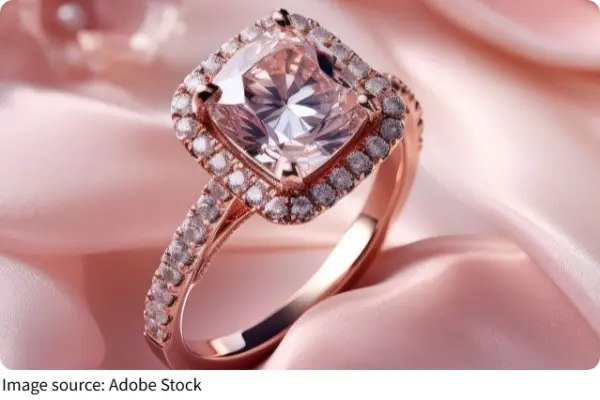
White light contains a range of visible wavelengths. As light travels through a diamond, different wavelengths are refracted by slightly different amounts, separating white light into spectral colors.
This effect is called dispersion, and the colorful flashes it produces are known as fire. Depending on the lighting and viewing angle, flashes of blue, red, yellow, and other colors may appear across the stone.
Fire complements brilliance by adding color to the diamond’s display. The balance between bright reflections and spectral flashes contributes to its distinctive appearance.
Why Cut Quality Matters
A diamond’s cut determines how its facets interact with incoming light. Proportions, symmetry, and polish all influence the stone’s brightness, color flashes, and visual definition.
The crown angle, pavilion angle, table size, and overall depth work together to shape light performance. When these features are well balanced, the diamond can direct more light toward the viewer and display an attractive pattern of brightness and contrast.
Carat weight measures mass rather than sparkle. Consequently, a smaller diamond with an effective cut may appear brighter and more lively than a larger stone with less suitable proportions.
How Movement Creates Scintillation
A diamond’s appearance changes as the stone, viewer, or light source moves. Different facets reflect light in changing patterns, producing alternating flashes of brightness and darkness.
This dynamic effect is called scintillation. Alongside brilliance and fire, it forms the three key visual components commonly used to describe diamond sparkle.
Lighting conditions influence how these qualities appear. Directional light often emphasizes individual flashes, while diffuse illumination produces a softer, more even appearance. The same diamond can therefore look different in different environments.
How Hardness Preserves Polish
Diamond ranks 10 on the Mohs hardness scale, making it exceptionally resistant to scratching. This property helps its polished facets retain their smooth surfaces and defined edges during regular wear.
Hardness is distinct from toughness, which describes a material’s ability to withstand impacts. Although diamond is highly scratch-resistant, careful handling remains important for preserving its shape and finish. Appropriate cleaning and storage can also help maintain its appearance.
How Fluorescence Affects Appearance
Some diamonds emit visible light when exposed to ultraviolet radiation, a characteristic known as fluorescence. Blue is the most commonly observed fluorescence color in diamonds.
Fluorescence is separate from brilliance, fire, and scintillation. Its appearance depends on the stone’s characteristics and the amount of ultraviolet light present. In some lighting conditions, fluorescence can influence how a diamond’s color or brightness is perceived.
This characteristic is one of several factors that can make two diamonds look different, even when their cuts and other visible features are similar.
Understanding Diamond Sparkle
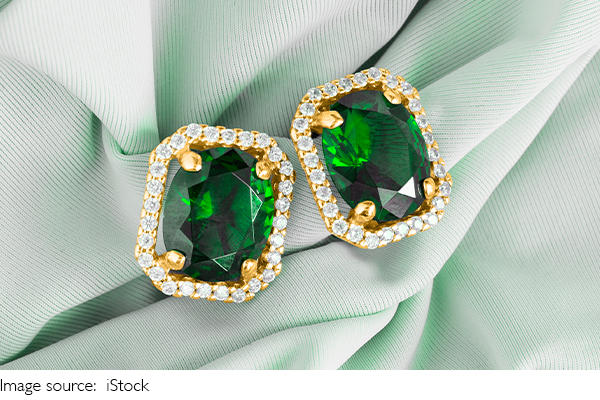
Diamond sparkle is the result of several optical effects working together. Refraction changes the direction of light, internal reflection helps guide it through the stone, and dispersion produces colorful flashes. The cut determines how these effects combine, while movement and lighting shape the final visual impression.
Understanding these principles makes it easier to appreciate the relationship between a diamond’s natural properties and the precision of its craftsmanship. Each stone reveals its character through the way it handles light, creating a distinctive balance of brilliance, fire, and scintillation.