


Moroccan Restaurant Decor

Darius30 May 2026 · 4 min read
Hi, Friends!
Ever walked into a restaurant and felt like you just teleported to another country?
That is exactly the magic a well-decorated Moroccan-style restaurant pulls off every single night. It is like handing your guests a one-way ticket to Marrakech without the jet lag. If you are planning to transform your dining space into something truly extraordinary, this guide is your best friend.

Start With the Colors That Pop
Red, blue, turquoise, yellow, and gold are the colors you need, and you can mix them in various combos to achieve the look you like. Think of your color palette as the spice rack of your interior design. Too bland and nobody notices, too much of one thing and it is overwhelming. Rich, warm colors such as terracotta, deep blues, greens, and earthy tones create a visually striking atmosphere. You want your guests to feel warmth the moment they step through the door, not like they wandered into a corporate waiting room.
Walls and Floors That Tell a Story
Smooth, waterproof plaster walls in warm tones originate from ancient Moroccan architecture and they are an absolute showstopper. Pair that with traditional Moroccan tiles featuring intricate geometric patterns, often used for walls, floors, or tabletops. You may use wall tiles of characteristic patterns and colors. For a Moroccan interior, it is suitable not only for the floors but also the walls. Think of it as wallpaper, but way cooler and it never peels off at the edges.
Lighting That Sets the Mood
Moroccan lanterns are the perfect way to get this done without actually splurging on a complete dining room revamp, and these glittering lamps can instantly bring in a relaxing Mediterranean vibe without ever altering the existing style of the dining space. Intricately designed lanterns and pendants with metal filigree cast enchanting patterns of light and shadow across every surface. Imagine every wall becoming a moving artwork after sundown. That is not decoration, that is theatre.
Furniture That Feels Like a Hug
Natural dark stained wood, carved wooden furniture, traditional lanterns, low tables, and cushions instead of chairs are the things you can use for such a type of decor. Low-slung seating areas with plush cushions create a cozy and inviting space for socializing. Your guests will not want to leave. Honestly, that is the whole point. Leather or fabric poufs, often used as seating or footrests, also add that laid-back, lounge-all-day energy that makes a restaurant feel like a second home.
Textiles and Rugs to Layer On
Luxurious fabrics such as silk, wool, and cotton with intricate patterns, used for curtains, cushions, and upholstery, are non-negotiable in Moroccan design. High quality, hand-knotted wool rugs with distinctive geometric patterns anchor the space and give it that warm, lived-in feel. Layer them generously. More is genuinely more here, like stacking toppings on a really good sandwich.
Architectural Details That Wow
Archways, ornate windows, and the striking Moorish keyhole design can create a smart entry to the dining room and also shape its windows and other architectural features. Wooden or plaster ceilings with detailed carvings or patterns complete the look overhead. Elaborately carved wooden furniture, cabinetry, and architectural details reflect traditional Moroccan craftsmanship. These are the details that make your guests pull out their phones for photos before they even look at the menu.
Decorative Accents That Seal the Deal
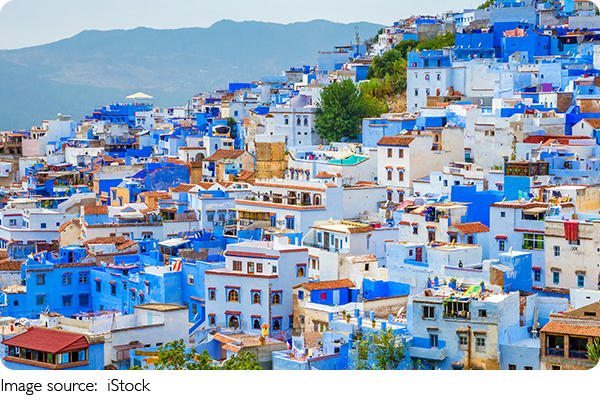
Portable, ornate brass trays are often used as tabletops in Moroccan decor, and they double as conversation starters. Hand-painted ceramics and pottery, often featuring bold patterns and vibrant colors, work beautifully as both serving pieces and display items. Woven baskets for bread or fruit add a rustic touch that feels genuinely authentic rather than Pinterest-forced. The rich colors, intricate patterns, and warm lighting transport you to the heart of Morocco, where design is not merely aesthetic but a way of life.
Decorating a Moroccan-style restaurant is not just about slapping some lanterns on the wall and calling it a day. It is about crafting a full sensory story, from the tiles under your guests' feet to the glow dancing on the ceiling above their heads. Every cushion, every carved arch, every hand-painted plate plays a role in that story. So go bold, layer generously, and remember: a great Moroccan restaurant feels less like a dining room and more like an experience you never want to end. Now, Lykkers, go create something unforgettable!