


The Benefits of Mud Play
Samir02 Jun 2026 · 6 min read
A girl playing in mud may look like pure chaos, but there is real wisdom in that splashy little scene.
For Lykkers, mud play becomes a reminder that curiosity, movement, creativity, and simple outdoor joy still matter. You do not need a perfect garden or fancy supplies. You need safe soil, washable clothes, open time, and permission to let life get wonderfully untidy.
The Joy Of Mess
Mud play begins with freedom. You touch, squeeze, pat, pour, shape, and laugh because there is no perfect result waiting at the end. This part explores why muddy play can be useful for children, families, and anyone who needs a break from neat little routines.
Start with safe mud
Good mud play begins with the right place. Choose clean garden soil, a yard corner, a nature play area, or a shallow patch after rain. Avoid places near roads, trash, pet waste, unknown chemicals, or sharp hidden objects. The best mud feels soft, earthy, and simple.
You can make a safe mud zone with soil and water in a tray, bucket, or outdoor corner. Add old cups, spoons, small bowls, leaves, pebbles, and sticks. Keep it basic. Mud does not need expensive equipment to become exciting.
Dress for freedom. Use old clothes, washable shoes, and a towel near the door. When cleanup is planned, mess becomes less stressful.
Let curiosity lead
Mud is a tiny science lab. Add more water, and it becomes runny. Press it down, and it holds shape. Leave it in sun, and it dries. Mix leaves or small stones, and texture changes. Children learn through touch before they learn through long explanations.
You can ask playful questions while watching. What happens when more water is added? Which mud shape stands tallest? Which leaf makes the best print? Which puddle makes the funniest sound?
Do not rush to correct every move. Safe discovery works best when children can test ideas. A fallen mud tower is not failure. It is research with giggles.
Build a mud kitchen
A mud kitchen is one of the easiest outdoor play setups. Use old containers, a low table, a crate, or a sturdy board. Add spoons, ladles, cups, muffin trays, and leaves for decoration.
Children can make mud soup, pebble pudding, leaf cakes, twig noodles, and puddle tea. None of it is for eating, of course, but pretend cooking builds language, planning, social skills, and imagination.
You can join by becoming the customer. Ask for the special of the day. Request extra leaves. Praise the texture. Pretend to pay with stones. The sillier you are, the richer the play becomes.
Try mud art
Mud can be paint, clay, stamp ink, and sculpture material all at once. Let children paint tree trunks, stones, cardboard, or outdoor tiles with mud and water. They can press leaves into wet mud, make handprints, or create funny faces on flat stones.
For a simple project, make mud medals. Shape circles, press in leaves or flowers, poke a small hole at the top with a twig, and let them dry in the sun. Once dry, thread them with yarn or keep them as nature treasures.
Mud art is forgiving. Uneven edges and strange shapes are part of the charm.
From Mud To Mindfulness
Mud play is not only for laughs. It can teach calm, confidence, problem solving, and care for nature. You may begin with a child splashing happily, then notice that the whole family has slowed down. This part turns muddy moments into practical habits you can use often.
Create a mud-day routine
A good routine makes outdoor mess easier. Choose a mud-friendly day after rain or create one with a small water source. Set a clear play area, place cleanup supplies nearby, and agree on simple rules.
Useful rules are short. Mud stays outside. No throwing at faces. No tasting. Wash hands after play. Check shoes before entering. These rules protect the fun without making the mood heavy.
After play, use a rinse bucket or hose, then change into clean clothes. Put muddy items in one laundry bag. When children know the cleanup path, they can play more freely.
Turn mess into confidence
Some children dislike messy textures at first. That is fine. Start small. Offer dry soil, then damp soil, then wetter mud. Let them use a spoon before touching it directly. Confidence grows through choice, not pressure.
For children who love mess, mud gives a strong feeling of control. They can create, destroy, rebuild, stir, splash, and invent. In a world full of rules, mud says, here, your ideas matter.
You can support that confidence with specific praise. Say you found a clever way to make that wall stand, or you kept trying after it fell. Praise effort, ideas, and patience more than neat results.
Use mud for movement
Mud play gets bodies moving naturally. Squatting, reaching, lifting small buckets, balancing near puddles, stirring, patting, and walking on uneven ground all build coordination.
Try a mini mud obstacle path. Step around puddles, balance along a log, carry a small cup of water without spilling, jump over a twig line, then make one mud print at the finish. Keep it gentle and safe.
This kind of play feels like a game, not exercise. That is why children often stay engaged longer.
Teach respect for nature
Mud reminds children that soil is alive with tiny roots, insects, seeds, and hidden activity. You can keep play respectful by choosing one area for digging and leaving plant beds alone.
After playing, invite children to return stones, thank the garden, or water a nearby plant. These small rituals teach that nature is not just a toy box. It is a living place to enjoy and protect.
You can also start a tiny growing project. Fill a container with soil, plant seeds, water them, and watch what happens. The same mud that made funny handprints can also grow food, flowers, and shade.
Make cleanup part of play
Cleanup does not have to feel like punishment. Turn it into a final game. Who can rinse the spoon collection fastest? Which muddy shoe makes the biggest water cloud? Can every leaf plate return to the garden?
Keep towels ready, use warm water when possible, and accept that some stains are memory marks. The goal is not perfect neatness. The goal is ending the adventure kindly.
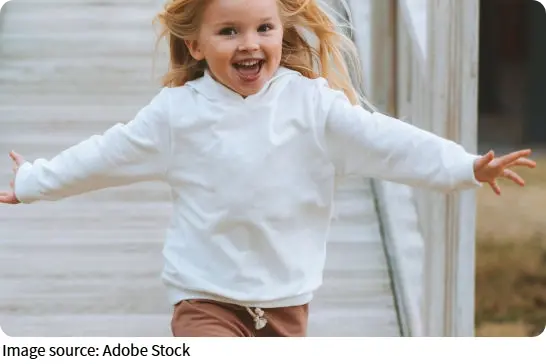
A girl playing in mud shows Lykkers that mess can be meaningful. With safe soil, simple tools, clear rules, and a playful cleanup plan, mud becomes science, art, movement, confidence, and outdoor joy. Let the splashes happen, then carry the lesson forward: life does not always need to stay spotless to be good.