


Kitchen Sponge Secrets

Luca21 Jul 2026 · 3 min read
Hi, Readers! We use kitchen sponges every day to wash dishes, wipe counters, clean up spills, and handle all kinds of kitchen messes. Because they are such a familiar part of our routine, it is easy to forget that these little cleaning tools can also collect moisture, food particles, and bacteria with repeated use.
A sponge can become a surprisingly busy place for microorganisms. Its tiny spaces can trap water and food residue, while frequent use allows bacteria to move from one surface to another. When a sponge stays damp for long periods, it creates conditions that can help microorganisms remain and multiply, making proper sponge care an important part of kitchen hygiene.
Researchers have found that kitchen sponges can contain massive amounts of bacteria. In some cases, the number is so high that the sponge becomes a perfect little home for microbial life. It is not only about how many bacteria are there, but also how easily the sponge spreads them. When you wipe a surface with a used sponge, you may be moving germs from one place to another instead of truly cleaning.
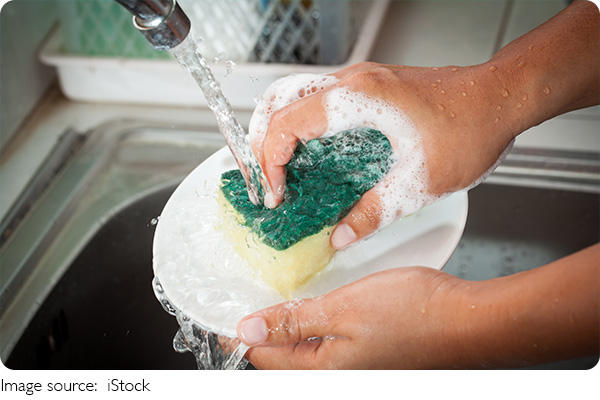
Why sponges get so dirty
The problem comes down to the sponge’s structure and the way it is used. It has many tiny spaces where moisture and food residue can stay trapped. After wiping up spills, cleaning dishes, or touching surfaces that had raw food on them, the sponge can quickly collect bacteria. If it is not cleaned or replaced often, it keeps building up contamination. Experts say trying to sanitize a very dirty sponge may not always solve the problem completely, because some bacteria can remain behind and bounce right back.
How to use them more safely
One of the simplest suggestions is to replace your kitchen sponge often. If it smells unpleasant, that is a strong sign it should go. Some experts also recommend not using the same sponge for every task. Keeping separate cleaning tools for dishes and counters can help lower cross-contamination. Letting a sponge dry fully between uses also matters, since bacteria thrive in damp conditions. Even with cleaning methods such as heating or disinfecting, replacing the sponge regularly remains one of the safest habits.
Small Habits Can Make a Difference
Good kitchen hygiene does not require constant worry. Instead, it comes from simple habits practiced consistently. Wash your hands before and after handling food, clean food-preparation surfaces regularly, and avoid using the same cleaning tool for every task.
It is also worth paying attention to where cleaning tools are stored. A sponge left in standing water or pressed against a damp surface may take longer to dry. Keeping it in a position that allows air to reach it can help.
For Readers, the biggest lesson is simple: a cleaning tool needs cleaning and replacing, too. That little sponge may seem harmless, but because it is repeatedly exposed to water, food residue, and different surfaces, it deserves more attention than we often give it.
So the next time you finish cleaning the kitchen, take a moment to rinse, dry, and check your sponge. A small change in how you care for it can help make your everyday cleaning routine more hygienic.