


How Music Connects Friends!

Elise26 Aug 2026 · 3 min read
Music can bring people together through listening, singing, playing instruments, dancing, or attending performances.
Shared musical interests can give friends an easy topic to discuss and a practical activity to enjoy together, even when their backgrounds or everyday interests differ.
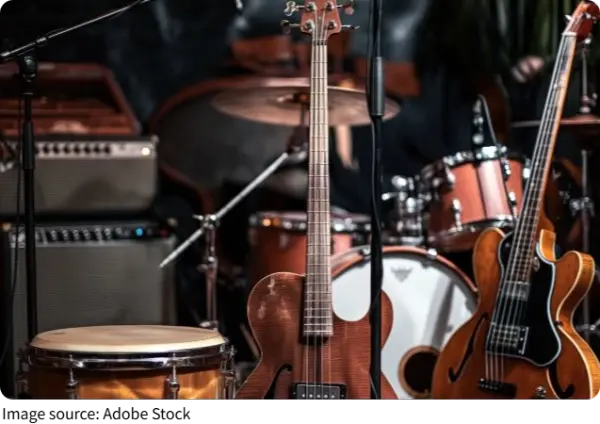
Shared Music Creates Common Ground
Friends do not need identical musical preferences to enjoy music together. One person can introduce another to a favorite artist, song, instrument, or style, creating an opportunity to exchange personal interests.
Listening together can also lead to conversation. Friends may discuss why they enjoy a particular piece, what they notice in it, or how their preferences have changed. These conversations can reveal interests and experiences that may not come up during routine social activities.
Music can also help people connect when spoken conversation is limited. Singing or playing together provides an activity that allows participants to communicate through timing, rhythm, and coordinated performance.
Playing Music Requires Cooperation
Making music with other people involves attention and coordination. Each participant needs to listen to what others are doing and adjust their own playing when necessary. This makes group music activities useful for building social interaction. A casual jam session, rehearsal, choir, or other ensemble activity gives participants a shared task with a clear purpose.
The experience can also encourage people to listen before responding. In a group performance, ignoring the other players can affect the overall result, so cooperation becomes part of the activity.
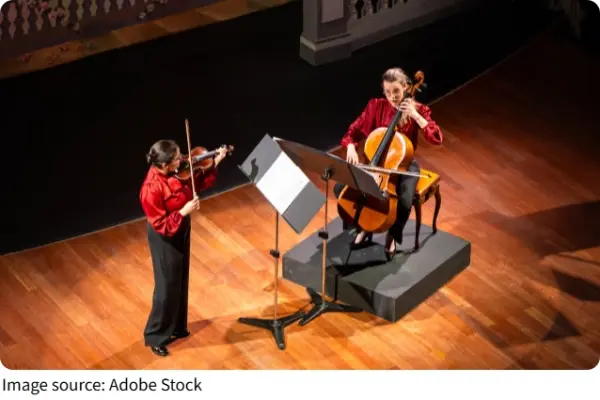
Musical Preferences Can Strengthen Social Connections
Research into music preferences has examined relationships between musical tastes, cultural background, social factors, and friendship networks. Music preferences are influenced by more than individual taste, so people from different backgrounds may have different reasons for enjoying the same type of music.
Sharing recommendations can therefore become a way to learn about another person's experiences and interests. A friend might introduce a familiar style from their background, while another person may respond by sharing music that has personal significance to them.
The goal does not need to be agreement about every song. Respecting different preferences can make musical conversations more comfortable and give friends more opportunities to learn from each other.
Try a Simple Music Activity Together
A shared music activity does not require advanced musical skills. Try one of these options:
1. Choose three songs that each friend enjoys and listen to them together.
2. Take turns explaining what stands out in each selection.
3. Create a shared playlist based on the recommendations.
4. Attend a performance together and discuss it afterward.
5. If both people play instruments, practice a simple piece together.
For an immediate activity, choose one song each and spend 15 to 20 minutes listening and discussing the selections. This works particularly well when conversation needs a clear starting point.
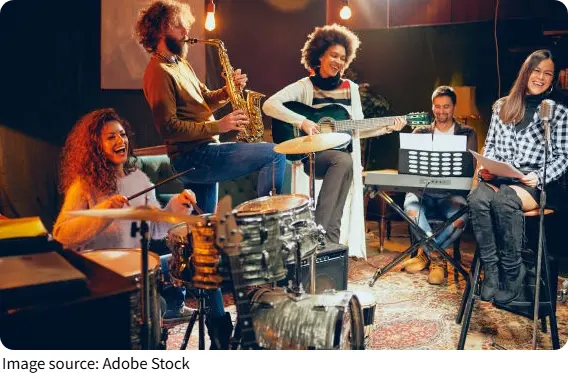
Music does not replace conversation or friendship, but it can provide another way for people to spend time together, exchange interests, and cooperate. Sharing a song, learning an instrument together, or simply listening to the same performance can give friends a specific activity around which regular connection can develop.