


Bedding Color Match Tips

Malcolm28 Ogo 2026 · 4 min bacaan
Hi, and welcome. You'd think picking bedding is the easy part of a bedroom makeover, right?
Then you stand in the aisle staring at twenty shades of white and suddenly nothing feels simple. The good news is, matching your duvet and sheets to your room doesn't require a design degree, just a few rules about color and light.
Start with the room's anchor
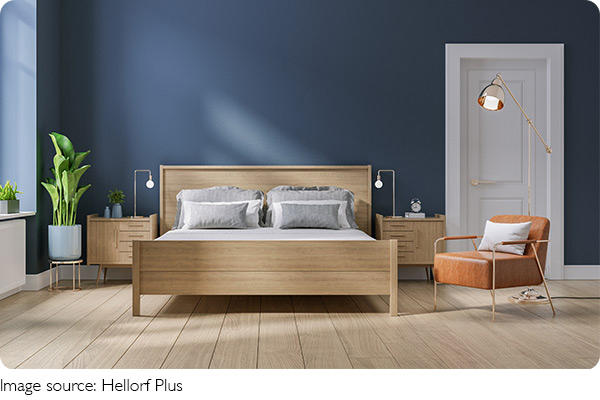
Before you buy a single pillowcase, look at your biggest surface: the wall color. If your walls are a warm beige or soft terracotta, your bedding should stay in that same warm family. A cool gray duvet on a warm wall will clash like a cold shower after a hot bath. Instead, try a cream or oatmeal tone that echoes the wall's warmth.
For example, a sage green wall pairs beautifully with a dusty rose duvet, because both sit at the same muted intensity on the color wheel. You don't need to match exactly, just keep the undertones aligned.
Neutrals are not a cop-out
Some people think all-white bedding is boring, but it's actually the most flexible tool you own. White sheets let you change the room's mood with just a throw blanket or two. One week you drape a rust-colored knit across the foot of the bed, the next you swap in a navy linen throw, and the whole room shifts without repainting.
The trick is texture. Plain white cotton can look flat, so choose a sateen weave with a slight sheen or a crinkled linen blend for depth. That way, the neutrals carry the room while your accent pieces do the talking.
Dark bedding shrinks, light expands
Here's the part nobody tells you: color affects perceived space. A deep charcoal or forest green duvet will make a large bedroom feel cozy and intimate, but in a small room, it can swallow the light. If your bedroom is under 120 square feet, stick to lighter tones like pale blue, soft gray, or ivory on the main bedding.
Use dark shades only in small doses, like a single dark pillow or a patterned accent cushion. In a bigger room, you can go bold, but even then, keep the fitted sheet and pillowcases lighter than the duvet to avoid a cave effect.
Match the mood, not the trend
Trends come and go, but your sleep space should reflect how you want to feel when you walk in. For a calm, hotel-like vibe, choose monochromatic layers: all shades of one color, like a slate blue duvet with a lighter blue sheet set. For energy, add a contrasting pop, such as mustard yellow pillows against a charcoal base.
One concrete example: a couple I know painted their walls a warm cream and bought a terracotta duvet with white sheets. They added a single olive green throw. That's three colors, but they all sit within the same earthy family, so the room feels pulled together, not chaotic. Start with one main color, then add just one secondary color and one neutral. That's the whole formula.
A quick test before you commit
Don't guess in the store. Grab a fabric swatch or a pillowcase from the rack and hold it against your wall color, using your phone's flashlight to mimic evening lighting. Daylight makes colors look brighter and cooler, while warm bedroom lamps shift everything toward yellow. That dusty blue might look perfect at noon and muddy at 9 PM.
Also, check the return policy. Most major retailers allow returns on bedding within 30 days, so buy one duvet cover first, live with it for a night, then decide if you want the full set.

So next time you're torn between that crisp white and the blush pink, remember the room's anchor color and the size of your space. Pick one main shade, keep your sheets lighter, and let texture do the heavy lifting. Go try it on your own bed this weekend, you'll be surprised how a single swap changes the whole feel of the room.