


Simple Men’s Style
Julian14 sept 2026 · 5 min de lectura
Great style does not depend on having a large wardrobe or constantly following new trends.
A well-planned selection of simple clothing can create outfits that look refined, comfortable, and personal.
The foundation is consistency. When colors coordinate, proportions feel balanced, and each piece suits the occasion, even a straightforward outfit can appear carefully considered.
Start With a Versatile Color Palette
Color is one of the simplest ways to create harmony between different pieces. Neutral shades such as navy, gray, white, cream, black, and beige provide a dependable foundation because they can be combined in many ways.
A balanced outfit does not need several contrasting colors. Pairing a darker base with lighter or softer tones can create definition while keeping the overall appearance composed. Repeating a color in different parts of an outfit can also help the pieces feel connected.
Once a reliable palette is established, adding a small amount of color becomes easier. A shirt, sweater, accessory, or outer layer can introduce variation without changing the character of the entire wardrobe.
Prioritize Fit and Proportion
Good fit is central to a polished appearance. Clothing should provide enough room for comfortable movement while maintaining a clear and balanced silhouette.
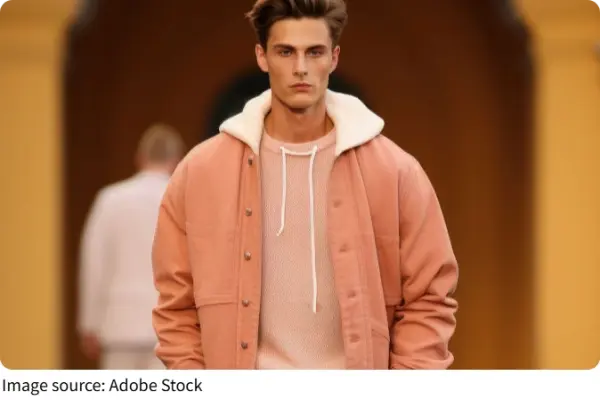
The relationship between individual pieces also matters. A relaxed pair of trousers can complement a shorter structured jacket, while a roomier sweater may work naturally with straighter trousers. The goal is not to follow one fixed silhouette but to create visual balance between the upper and lower parts of an outfit.
Garment length, sleeve placement, trouser width, and overall volume all contribute to this balance. Small adjustments can significantly change how an otherwise simple combination looks.
Use Texture to Add Depth
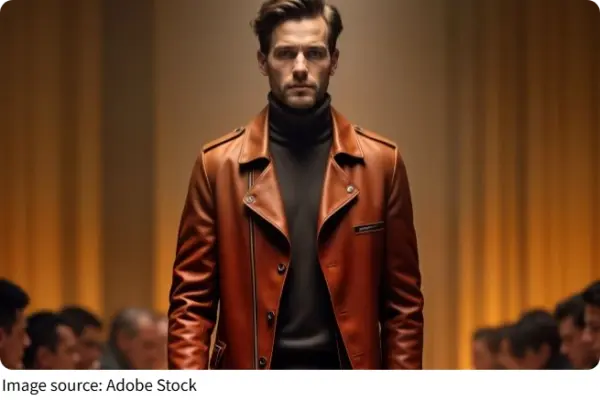
Simple clothing does not have to appear flat. Texture can introduce visual interest without relying on elaborate patterns.
A knitted sweater can provide softness against a smoother jacket. Textured trousers can complement a clean shirt, while a matte outer layer can create contrast with a finer fabric underneath.
Using several related textures gives an outfit dimension while maintaining a restrained appearance. This is particularly effective when the color palette is simple, because the materials themselves provide subtle variation.
Build Around Versatile Pieces
A practical wardrobe begins with pieces that can work in several settings. A well-fitting jacket, versatile trousers, simple shirts, comfortable knitwear, and clean everyday footwear can form the foundation for numerous combinations.
Before adding another item, consider how easily it works with clothing already owned. A useful piece should contribute to several outfits rather than serving only one specific combination.
This approach also makes getting dressed easier. When most pieces coordinate naturally, there is less need to make complicated decisions each day.
Choose Footwear With the Outfit in Mind
Footwear can influence the character of an entire outfit. Clean sneakers can create a relaxed appearance, while loafers or other structured shoes can give similar clothing a more refined direction.
Color is important as well. Neutral footwear is generally easy to coordinate with different trousers and outer layers. The material and shape should also suit the rest of the outfit rather than competing with it.
Most importantly, footwear should match the setting and allow comfortable movement. Practicality and appearance can work together when the choice is appropriate for the occasion.
Add Personality Through Details
A simple wardrobe can still express individual taste. Personal style often appears through small decisions rather than dramatic additions.
A watch, glasses, belt, bag, or understated accessory can complete an outfit while maintaining a clean appearance. The same principle applies to clothing details such as collar shape, jacket structure, trouser width, or knit texture.
The most effective details usually support the overall outfit rather than becoming its only focus. Consistency creates a stronger personal style than simply adding more accessories.
Dress for the Situation
An attractive outfit should also make sense for the day ahead. Weather, location, activity, and level of formality should all influence clothing choices.
Lightweight layers can provide flexibility when temperatures change. Comfortable trousers and practical footwear can work well when a day involves considerable movement. For more formal settings, cleaner lines and more structured pieces can create a polished appearance.
Considering these factors before getting dressed helps ensure that an outfit looks appropriate as well as stylish.
Create a Wardrobe That Works Together
The strongest everyday wardrobes are built around coordination rather than quantity. When colors, proportions, textures, and levels of formality complement one another, a relatively small selection of clothing can produce many different outfits.
Simple style is ultimately about making deliberate choices. A balanced palette creates harmony, good proportions establish structure, varied textures add depth, and versatile pieces provide flexibility. When these elements work together, ordinary wardrobe staples can create an appearance that feels polished, comfortable, and distinctly personal.