


Pearls: Timeless Elegance

Eleanor15 Oct 2026 · 5 min read
Pearls have a distinctive place in jewelry thanks to their natural glow, graceful appearance, and versatility.
From delicate earrings to elegant necklaces, they complement a variety of outfits and occasions.
Their subtle beauty makes them suitable for everyday wear, special events, and thoughtful gifts.
How Pearls Form
Pearls develop inside certain mollusks through a natural process. Natural pearls form without human intervention, while cultured pearls develop with human assistance. Both can display a variety of shapes, sizes, colors, and surface characteristics.
Some pearls are nearly round, while others have oval or irregular forms. Their luster, color, and individual surface features contribute to their distinctive appearance, making each piece unique.
Choosing Pearls for Every Occasion
Pearl jewelry suits a wide range of personal styles. Small stud earrings provide a refined finishing touch to everyday outfits, while a simple pendant adds understated elegance. A well-proportioned necklace can complement formal clothing without overwhelming the overall look.
Pearls pair beautifully with gold and silver settings, offering flexibility when coordinating accessories. Minimalist designs create a subtle effect, while larger pearls and carefully arranged strands make a more noticeable statement. Choosing a style that complements your wardrobe allows pearl jewelry to remain a versatile part of your collection.

How to Recognize Quality Pearls
Pearl quality depends on several characteristics, including luster, surface condition, size, shape, color, nacre quality, and consistency between matching pearls. Considering these features together provides a clearer picture of a piece's overall quality and value.
Luster and surface appearance
Luster describes the way light reflects from a pearl. High-quality pearls often display clear, bright reflections that give them a luminous appearance. Examine the surface under good lighting to assess its smoothness, natural markings, and overall visual appeal.
Size, shape, and color
Pearl size is measured in millimeters. Round pearls are popular for their classic appearance, while oval, drop-shaped, and irregular varieties offer different design possibilities. Colors include white, cream, pink, gold, gray, and other shades, depending on the pearl variety.
Matching and craftsmanship
When choosing earrings or a necklace, look for consistency in the pearls' size, color, shape, and luster. Examine the settings, clasps, and stringing to assess the overall workmanship. For valuable pieces, a reliable grading report or professional assessment can provide additional information about quality and identity.
Understanding the Main Pearl Types
Pearls are commonly grouped according to the environments in which they grow and the mollusks that produce them. Understanding the main varieties makes it easier to compare their appearance and typical characteristics.
Freshwater pearls
Cultivated in freshwater mussels, freshwater pearls come in a wide selection of shapes, sizes, and colors. Their versatility makes them suitable for delicate earrings, pendants, bracelets, and necklaces.
Akoya pearls
Akoya pearls are cultured in saltwater oysters and are valued for their bright luster and classic appearance. Their typically round shapes make them a popular choice for traditional necklaces and matching earrings.
South Sea pearls
South Sea pearls are known for their comparatively large sizes and elegant luster. They commonly display white, silver, or golden tones and are often featured in refined necklaces, pendants, and statement pieces.
Tahitian pearls
Tahitian pearls are recognized for their naturally dark body colors, which can include gray, green, and peacock-like overtones. Their distinctive shades offer an appealing alternative to traditional light-colored pearls.
Prices vary according to pearl type, size, luster, surface quality, shape, matching, and craftsmanship. Comparing these characteristics helps you select a piece that aligns with your preferences and budget.
How to Care for Pearl Jewelry
Pearls require gentle care to preserve their natural appearance. Perfume, cosmetics, hairspray, and other personal care products can affect their surface, so put on pearl jewelry after applying these products.
After wearing your pearls, gently wipe them with a clean, soft cloth to remove residue. Store each piece separately in a soft pouch or a fabric-lined compartment to protect it from contact with harder jewelry.
Keep pearls away from high temperatures, harsh cleaning chemicals, and prolonged direct sunlight. Avoid using abrasive cleaners or ultrasonic jewelry-cleaning devices, as these may damage delicate pearls or their settings.
For necklaces, inspect the string and clasp periodically. If the string becomes loose or shows signs of wear, arrange professional restringing. With suitable storage and careful handling, pearl jewelry can retain its beauty for many years.
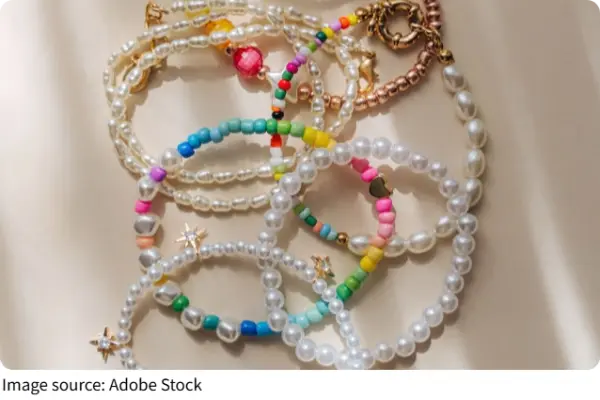
The Enduring Appeal of Pearls
Pearls combine natural individuality with timeless style, making them a versatile choice for personal jewelry collections and meaningful gifts. Their range of colors, shapes, and sizes offers options for different tastes, from understated everyday pieces to elegant statement designs.
Choosing quality pearls involves looking beyond size alone. Luster, surface appearance, nacre quality, matching, and craftsmanship all contribute to a piece's appeal. With a thoughtful selection and consistent care, pearl jewelry can remain a cherished part of your collection for years to come.